
Neck Pain, Headaches & Migraine Support at mhealth
Neck Pain, Headaches & Migraine-Related Pain
Neck pain, headaches and migraines are among the most common reasons people seek physiotherapy — and they’re more closely connected than most people realise.
What starts as persistent neck stiffness can develop into recurring headaches. Issues in the cervical spine can produce headaches that feel entirely unrelated to the neck. Migraines often arrive with neck stiffness as one of the first warning signs.
At mhealth in Mentone, we assess all three together. That means looking beyond where the pain is and finding what’s actually driving it, so the treatment plan we build addresses the cause, not just the symptom.
Understanding Neck Pain, Headaches and Migraines
Neck Pain
Neck pain refers to discomfort, stiffness or pain anywhere in the cervical spine or the muscles surrounding it. It is one of the leading causes of disability globally, and affects a significant portion of the Australian population at any given time.
In most cases, neck pain is not caused by serious structural damage. Muscles become irritated, joints get stiff, and nerves can become sensitised. These things respond well to targeted physiotherapy and exercise, and getting started early tends to make a real difference.
Common symptoms include:
- A dull ache or sharp, stabbing pain in the neck
- Stiffness and a reduced ability to rotate or tilt your head
- Pain that travels into the shoulders, upper back or arms
- Muscle tightness or spasms
- Headaches that begin at the base of the skull
- In some cases, tingling, numbness or weakness if nerves are involved
Headaches
Headaches are extremely common, but not all headaches are the same. The two types most frequently linked to the neck are tension-type headaches and cervicogenic headaches.
Tension-type headaches are caused by muscle tension, stress and poor posture. The neck is almost always involved, making them highly responsive to physiotherapy.
Cervicogenic headaches originate from the cervical spine itself. They typically present as pain starting at the base of the skull and travelling forward, and they’re often worsened by neck movement or sustained postures like prolonged desk work.
Common symptoms include:
- Pressure, tightness or throbbing in the head, scalp or neck
- Sensitivity to light or noise in some presentations
- Fatigue and difficulty concentrating
- Pain that changes with neck position or movement
Migraines
Migraines are a neurological condition, not just a severe headache. They involve changes in brain activity and nerve signalling, and they produce a distinct set of symptoms that go well beyond pain.
According to Headache Australia, migraines affect approximately 4.9 million Australians and are among the most common causes of neurological disability worldwide.
Common symptoms include:
- Moderate to severe throbbing pain, often on one side of the head
- Pain that worsens with movement
- Nausea or vomiting
- Sensitivity to light, sound or smell
- In some people, an aura before the headache begins — visual disturbances, tingling in the face or hands, or temporary speech difficulties
Why Neck Pain, Headaches and Migraines Are Often Linked
This is one of the most important things to understand about neck-related pain: the pain in your head often starts in your neck.
Tight neck muscles create tension and referred pain that travels into the scalp and temples. The upper cervical spine shares nerve connections with the trigeminal nerve, the same nerve involved in migraine attacks. Irritation in the neck can directly contribute to both headaches and migraines.
Neck stiffness is also one of the most common early signs of an oncoming migraine for many people. Research suggests that cervical spine dysfunction can act as a trigger for migraine attacks, not just a symptom of them.
This is why effective management of headaches and migraines so often means looking at the neck. And it’s why, at mhealth, we assess all three conditions together rather than treating the head in isolation.
Common Causes of Neck Pain, Headache & Migraine-related Pain
There is usually more than one contributing factor. Here are the most common causes we see at mhealth.

For neck pain: Prolonged phone or computer use, sleeping in an awkward position and repetitive strain through the upper body are among the most frequent day-to-day contributors. Sports injuries and whiplash from vehicle accidents are also significant. Stress matters too — it raises muscle tension and reduces your body's ability to recover from physical load.

For headaches: Tension-type headaches are closely linked to muscle tension in the neck and shoulders, poor posture, stress and dehydration. Cervicogenic headaches are directly caused by dysfunction in the cervical spine, and they're often more responsive to physiotherapy than any other treatment approach.

For migraines: Migraines involve changes in brain chemistry and inflammatory responses around blood vessels. Common triggers include stress and emotional change, hormonal fluctuations (particularly in women), irregular or poor sleep, certain foods and caffeine withdrawal, and sensory stimuli like bright lights or strong smells.

The shared thread: Across all three conditions, posture, load, stress, sleep and movement habits play a meaningful role. This is also what makes them manageable with the right physiotherapy approach.

Frequently Asked Questions About Neck Pain, Headaches and Migraine Physiotherapy
Can physiotherapy help with headaches and migraines?
Yes, particularly when there is a cervical component involved. Physiotherapy is one of the most effective treatments for cervicogenic headaches and tension-type headaches. For migraines, the evidence supports physiotherapy as part of a broader management plan, especially where neck dysfunction is contributing to attack frequency.
How do I know if my headaches are coming from my neck?
Cervicogenic headaches typically start at the base of the skull and travel forward. They are often worsened by neck movement, specific postures, or sustained desk work. A physiotherapy assessment is the most reliable way to determine whether your neck is contributing to your headaches.
What is the difference between a headache and a migraine?
Headaches involve pain in the head, scalp or neck. Migraines are a neurological condition with a broader symptom set including nausea, light and sound sensitivity, and in some people, an aura. Migraines are a distinct condition that benefits from a different approach to management.
Should I rest when I have neck pain?
Short-term rest can be appropriate in the acute phase, but prolonged inactivity tends to make neck pain worse. Gentle, controlled movement is generally more beneficial than rest. Your physiotherapist will guide you on what level of activity is right for your stage of recovery.
Do I need a scan before starting treatment?
Not usually. Most neck pain and headache presentations do not require imaging to begin physiotherapy. Your physiotherapist will assess your movement, strength and symptom pattern. If imaging is warranted based on your assessment, we will guide you through the appropriate pathway.
When should I see a physio for neck pain or headaches?
If your pain has lasted more than one to two weeks, keeps coming back, limits your ability to work or sleep, or is accompanied by tingling, numbness or weakness in the arm or hand, it is worth getting an assessment. You do not need a referral to book with a physiotherapist. |
REFERENCES
- Headache Australia — Migraine. Headache information and support resource.
- GBD 2017 Disease and Injury Incidence and Prevalence Collaborators. Global, regional, and national incidence, prevalence, and years lived with disability for 354 diseases and injuries. The Lancet, 2018.
- Jull G, Sterling M, Falla D, Treleaven J, O’Leary S. Whiplash, Headache, and Neck Pain. Churchill Livingstone, 2008.
- Choosing Wisely Australia. RANZCR and APA guidance on appropriate imaging.
- Australian Physiotherapy Association. APA clinical resources.
- Australian Institute of Health and Welfare. Chronic musculoskeletal conditions.
Neck Pain, Headaches and Migraine Articles

Is Your Headache Coming From Your Neck?
Headaches are often treated as a problem of the head alone, but for many people, the source may lie elsewhere. Poor posture, prolonged screen use,

Stiff Neck After Sleeping: Causes, Symptoms, Treatment and Prevention
Waking up with a stiff neck after sleeping can be frustrating, especially when it limits how you turn your head or makes simple movements uncomfortable.

Physiotherapy For A Strong Flexible Neck
Do you often experience neck pain or stiffness that hinders your daily activities? Many people overlook the importance of neck health until discomfort becomes unbearable.
How mhealth Treats Neck Pain, Headaches and Migraines
Assessment: Understanding Your Symptoms
Your care at mhealth begins with a thorough assessment. We look at how you move, test the strength and mobility of your neck, upper thoracic spine and shoulders, and identify contributing factors like posture, desk setup, stress, sleep and workload.
Because the neck doesn’t operate in isolation, we assess the upper thoracic spine and shoulder girdle as part of the picture too. Where relevant, we use technology like our AXIT strength assessment system to gather objective data, set meaningful benchmarks and track your progress over time.
Hands-On Treatment
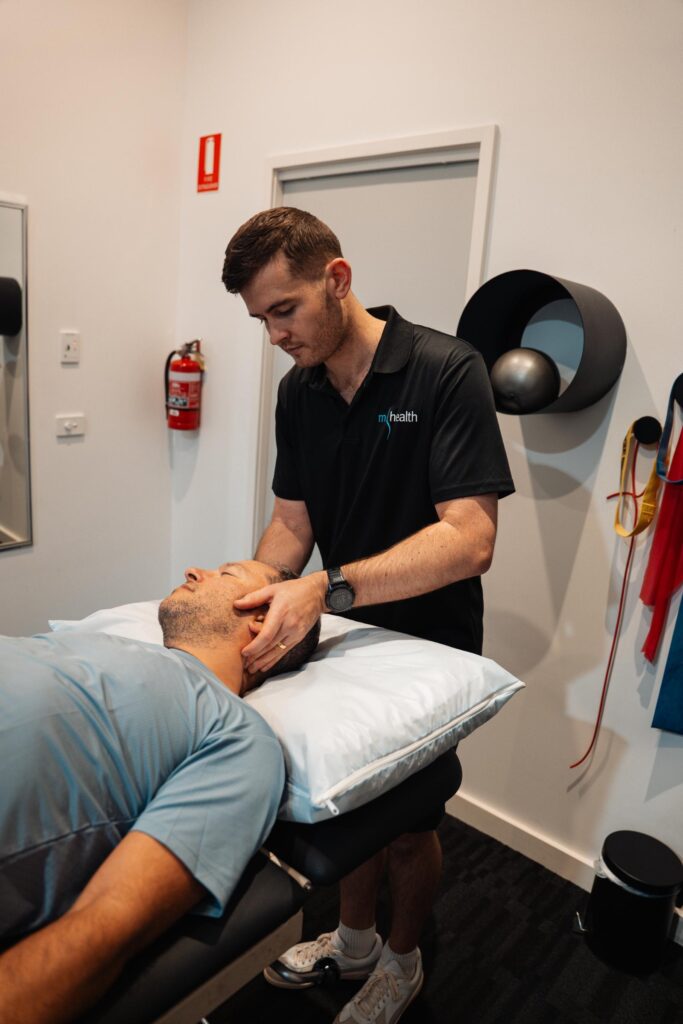
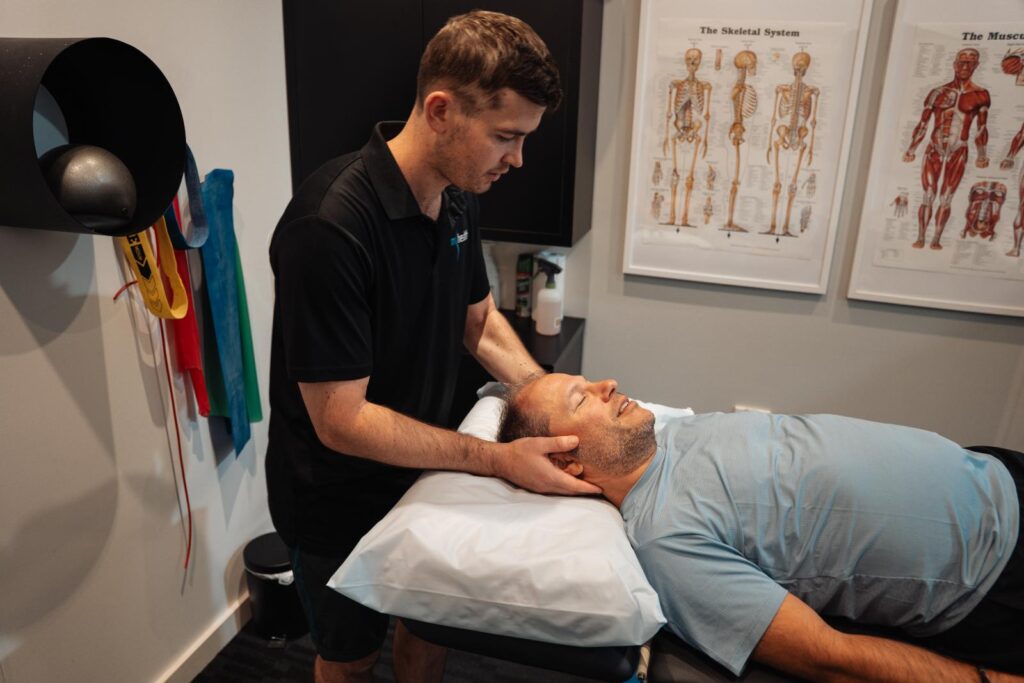
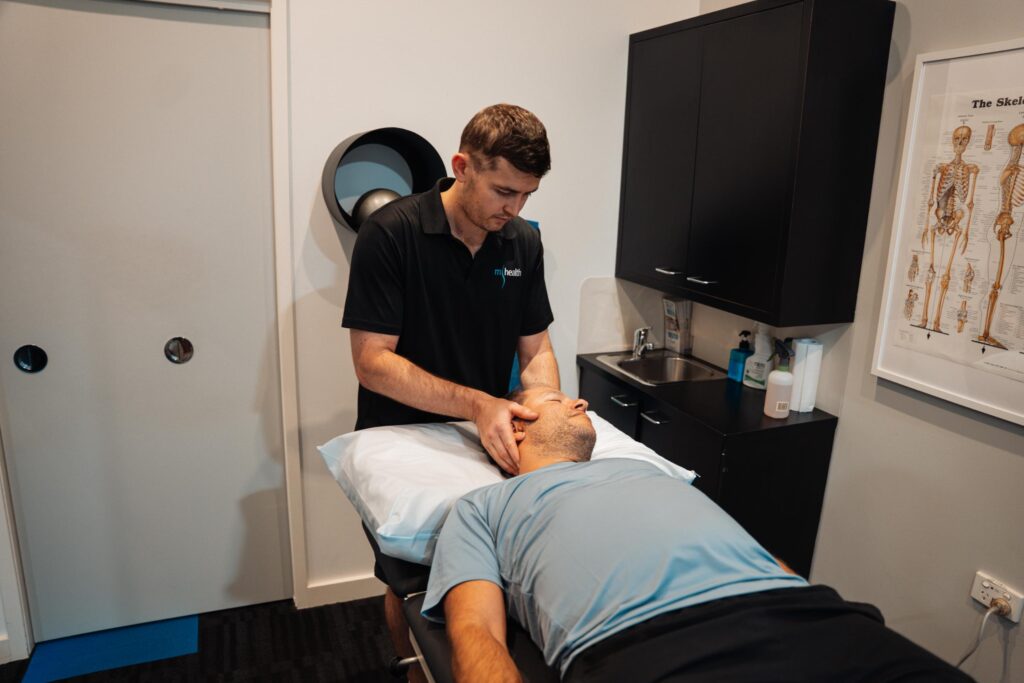
Depending on your presentation, your physio may use a range of techniques to reduce pain and stiffness and restore movement. These include joint mobilisations, soft tissue massage, trigger point therapy, dry needling, manual traction, assisted stretching and taping.
Hands-on treatment works best when it forms part of an active program rather than being used in isolation. It reduces pain and stiffness in the short term and allows you to progress into rehabilitation sooner.
Targeted Strengthening and Exercise Therapy
Depending on your presentation, your physio may use a range of techniques to reduce pain and stiffness and restore movement. These include joint mobilisations, soft tissue massage, trigger point therapy, dry needling, manual traction, assisted stretching and taping.
Hands-on treatment works best when it forms part of an active program rather than being used in isolation. It reduces pain and stiffness in the short term and allows you to progress into rehabilitation sooner.
Postural Retraining and Ergonomic Setup
Poor posture and sustained positions are among the most common contributors to neck pain and headaches, particularly for people who spend long hours at a desk.
Postural retraining at mhealth is not about achieving a rigid “perfect posture.” It’s about building better movement habits, strengthening the muscles that support your neck and upper back, and learning to vary your position throughout the day.
For desk workers, we can also assist with ergonomic setup — screen height, chair position, keyboard and mouse placement — to reduce the sustained strain that accumulates across a working day.
Nervous System Regulation and Stress Management
Stress is a significant driver of neck pain, tension headaches and migraines. It raises muscle tension, lowers pain thresholds, and can trigger or intensify migraine attacks.
Addressing stress through evidence-based strategies — breathing techniques, relaxation practices, mindfulness, sleep improvement and activity pacing — is a meaningful component of treatment for many patients. These strategies complement physical rehabilitation; they don’t replace it.
Education and Return to Activity
Understanding what’s happening and why is part of getting better. We’ll explain your condition clearly, help you identify and manage your specific triggers, and give you practical guidance around returning to work, exercise and daily activity.
For people managing chronic migraines or persistent headaches, we can help coordinate care with your GP or a neurologist where appropriate.
What Often Gets in the Way of Recovery
Even with the right intentions, certain habits slow progress. Here are the ones we see most often.

Only stretching without strengthening. Stretching provides short-term relief but doesn't build the stability and control your neck needs for lasting change. Strengthening is what creates durable results.

Pushing through severe pain. Some discomfort during rehabilitation is normal. Pushing into intense or escalating pain is not. Your physio will help you find the right balance for your stage of recovery.

Inconsistent exercise. Short, consistent effort produces far better results than occasional large sessions. Frequency matters more than volume, especially early in rehabilitation.

Poor movement technique. Doing exercises with poor control reinforces unhelpful movement patterns. Quality matters more than quantity — your physio will make sure you're moving well before adding load or complexity.

Ignoring posture during the day. A physio session won't undo hours of sustained forward head position. Small, consistent changes to how you sit and move throughout the day add up significantly over time.

Get Support for Neck Pain, Headaches and Migraines
Physiotherapists Mentone
If neck pain, headaches or migraines are affecting your quality of life, early assessment and treatment can make a real difference to your outcome.
mhealth is located in Mentone and services the surrounding suburbs including Beaumaris, Parkdale, Black Rock, Sandringham, Cheltenham, Mordialloc and Chelsea. Book an appointment with our team or contact us to find out how we can help.
Not Sure If This Is the Right Page?
You don’t need a confirmed diagnosis to book an appointment. If you’re experiencing pain, stiffness, or movement issues and aren’t sure what’s causing them, our team can help assess your symptoms and guide you in the right direction.