Recovering from an injury can feel like balancing between doing too much and not enough. You want to rebuild strength and confidence, but every movement carries the fear of slowing progress or getting hurt again. This uncertainty often lingers after rehabilitation ends. Many injuries arise not from weakness but from inefficient movement.
Poor posture, muscular imbalances, and lack of core stability place stress on joints, increasing the risk of reinjury. Without the right movement, the body compensates, and those compensations add up. Pilates offers a controlled approach that bridges clinical rehab and everyday life.
Emphasising alignment, core control, and mindful movement, it helps the body relearn how to move safely. Strength is rebuilt without excessive strain, flexibility improves gently, and balance is restored from the inside out.
For anyone looking to recover smarter and protect their body long-term, Pilates provides a strong foundation for healing and reduces the risk of future injuries.
How does Pilates training contribute to injury prevention and rehabilitation?
Pilates is extremely beneficial for injury recovery and prevention because its low-impact, regulated movements develop critical strength, stability, and body awareness, thereby correcting faulty movement patterns and muscle imbalances that frequently lead to injury.
Unlike high-impact workouts that prioritise intensity, Pilates focuses on structural integrity. It bridges the gap between the physical therapy clinic and the return to daily life.
1. Controlled, low-impact loading
The primary hurdle in injury recovery is gravity. When you’re healing from a joint or spinal injury, your own body weight can be too much pressure.
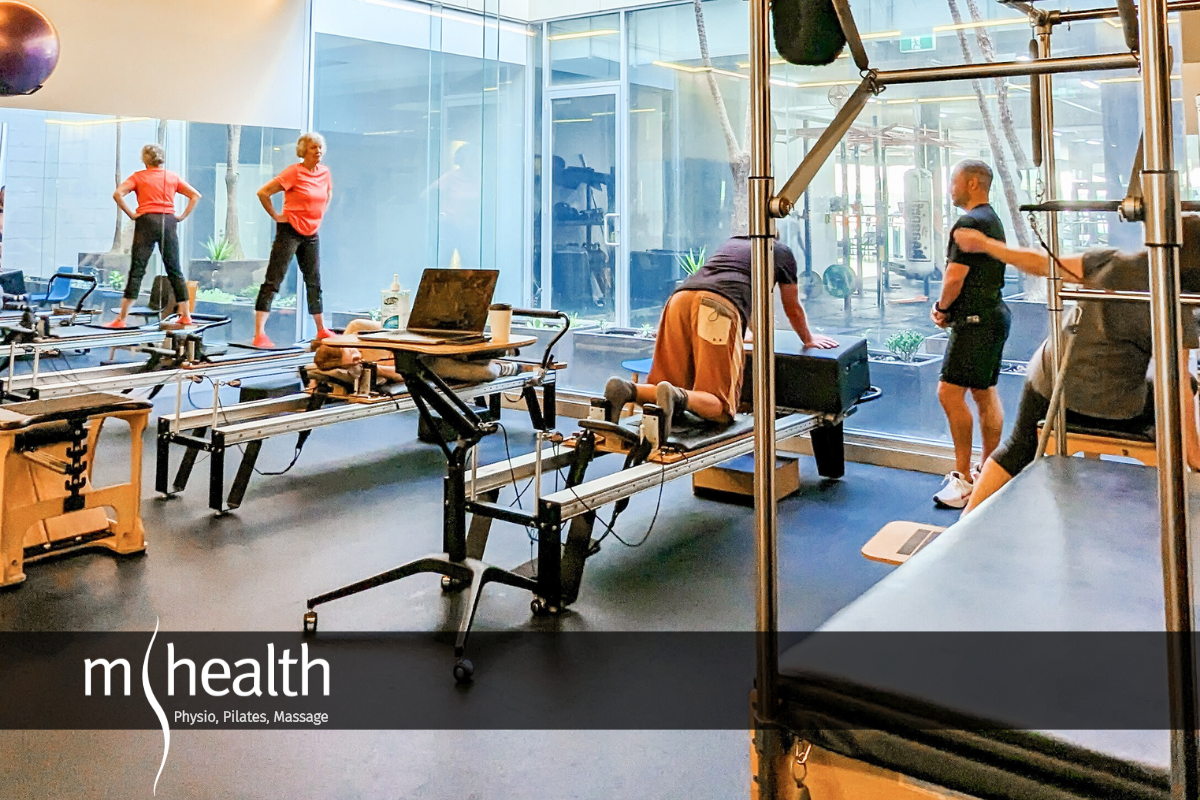
- The reformer advantage: Using the Pilates reformer allows you to exercise in a horizontal position. This de-loads the joints while using springs to provide adjustable resistance.
- Gradual progression: You can start with a light weight and incrementally increase the load as your tissues heal.
2. Correcting “compensation patterns”
When you’re hurt, your body is incredibly smart—it “cheats” to avoid pain. If your right knee hurts, your left hip and lower back will take over the work. Over time, these compensations become permanent habits that lead to secondary injuries.
Pilates forces neuromuscular re-education. By focusing on unilateral (one-sided) work, it identifies imbalances and ensures the correct muscles are firing at the right time.
3. The girdle of strength: Core stability
In Pilates, the core isn’t just six-pack abs; it’s the powerhouse. This includes the deep stabilisers:
- Transverse abdominis: Your internal corset.
- Pelvic floor: The base of your support.
- Multifidus: Small muscles that support the spine.
By strengthening these deep layers, you create a stable foundation that protects your extremities (shoulders, knees, and ankles) from unnecessary strain.
4. Why does Pilates prevent future injuries?
Recovery is about fixing the past; prevention is about protecting the future. Pilates builds functional resilience through:
| Benefit | How it prevents injury |
| Eccentric Strength | Strengthens muscles while they are lengthening, which prevents muscle tears. |
| Proprioception | Increases your body awareness, making you less likely to trip or move awkwardly. |
| Mobility vs. Flexibility | It doesn’t just make you “bendy”; it gives you strength through your full range of motion. |

Is Pilates right for your specific recovery?
Whether you are dealing with chronic lower back pain, recovering from ACL surgery, or managing a repetitive strain injury (RSI), Pilates can be adapted to your specific limitations.
If you are transitioning from rehab, clinical Pilates at mhealth is specifically designed for this stage of recovery. Sessions are closely supervised to ensure correct movement patterns, reduce reinjury risk, and build confidence as you return to normal training and daily activity.
Can Pilates prevent sports injuries?
Yes, Pilates is extremely helpful at preventing sports injuries by increasing core strength, improving balance, alignment, and body awareness, and correcting muscle imbalances that cause overuse or strain, resulting in a more resilient and efficient body for athletic activity.
It tackles underlying inadequacies that standard training typically overlooks, making it ideal for both preventing problems and aiding in recovery.
Is Pilates suitable for all ages and fitness levels?
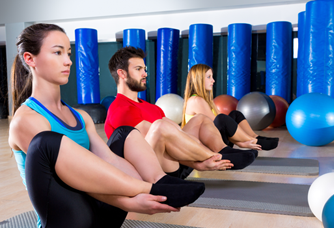
Yes, when it is delivered as Clinical Pilates rather than a generic gym-style class. At mhealth, Clinical Pilates sessions are tailored to the individual, even when performed in a small group setting. Each person works on exercises selected for their injury history, movement limitations, and personal goals, rather than following a one-size-fits-all routine.
Programs are adjusted in real time by the supervising physiotherapist or instructor, with changes to exercise selection, resistance, range, and tempo as needed. This approach makes Clinical Pilates appropriate for beginners, older adults, athletes, and those returning from injury, while still allowing safe progression over time. The focus remains on quality of movement, control, and confidence, not keeping up with the person next to you.

Final thoughts
Pilates is frequently used as part of a clinical physiotherapy program for injury recovery, with a certified professional tailoring the exercises to specific needs and monitoring progress.
Pilates helps to create long-term resilience and reinforce healthy movement patterns, allowing for a smooth transition back to regular activities or sports as strength and mobility improve.
Finally, Pilates tackles the underlying reasons for an injury, resulting in a stronger, more balanced, more resilient body for long-term health and well-being.
Book an appointment with one of our experienced physiotherapists today for a comprehensive assessment and customised treatment plan.