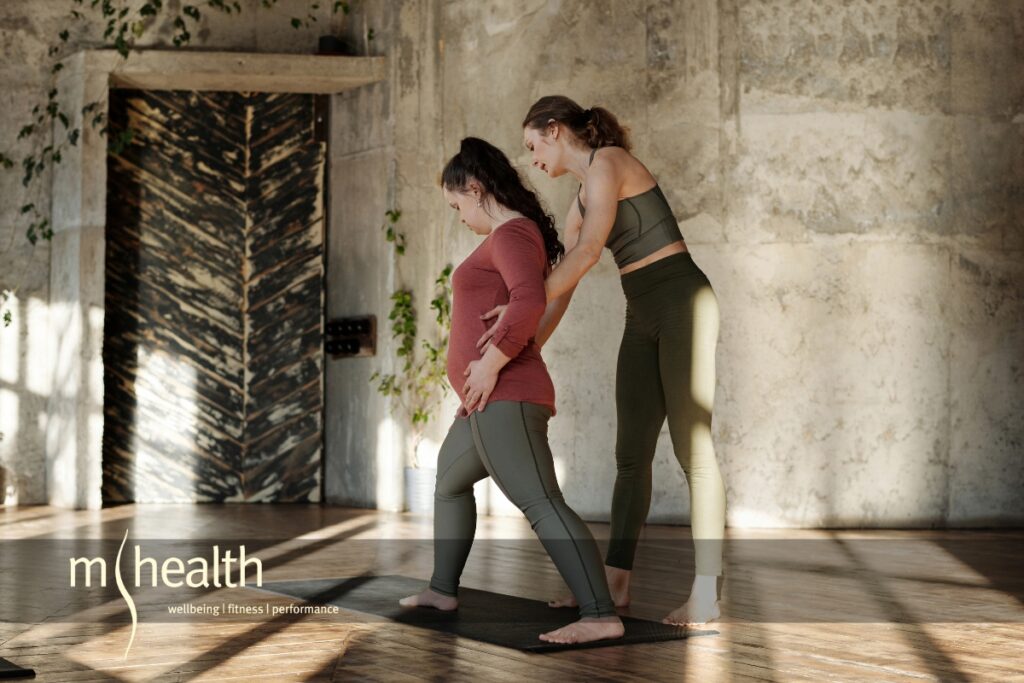
We all know that stretching is essential, but sometimes it can be tough to know which stretches to do and how often to do them. Stretching is especially important if you lead a sedentary lifestyle or have an office job.
This article will help you understand the importance of stretching and give you some ideas on how to stretch safely and effectively.
Why should you stretch?
Stretching is a controlled, slow movement that emphasises postural awareness and body alignment. Stretching exercises help to normalise your muscle length and tension ratio by encouraging the lengthening of your muscles and their associated tendons. This helps to prevent injuries and improve performance. It also improves flexibility and range of motion in joints and reduces pain.
Increased flexibility and range of motion can be achieved through regular stretching. There are many benefits to improving your flexibility, such as:
- Enhance your performance in physical activities.
- Reduce your risk of injuries.
- Increase the range of motion for your joints.
- Help your muscles work more effectively.

The 2 most common types of stretching
The type of stretching you choose depends on what you want to achieve.
There are two types of stretching – static and dynamic. Static stretching is when you hold a position for a period of time (typically 30-60 seconds) while moving slowly.
Dynamic stretching is when you move quickly from one position to another, requiring balance and coordination.
The benefits of stretching
Here are some of the benefits of stretching:
- It helps prevent injuries. If you’re not used to doing certain movements, your body may not be able to move as freely as it should. This means that you could injure yourself, such as tearing muscles or ligaments. By stretching regularly, you increase the range of motion in your joints, making it easier for your body to move without pain.
- It improves flexibility. When you stretch, your muscles become more flexible. The more flexible they are, the better they work. You can use this enhanced flexibility to perform everyday tasks with ease.
- It reduces muscle tension. Muscle tension is caused when your muscles are tight. Tight muscles cause discomfort and can even hurt. They also make it harder for your body to relax. Stretching releases these tense muscles, allowing your body to feel relaxed and comfortable.
- It increases circulation. As we age, our blood vessels lose elasticity. This makes it difficult for blood to flow through our bodies. Stretching helps improve the elasticity of our blood vessels, increasing the amount of blood flowing through our bodies.
- Enhanced energy levels result from increased circulation.
- Regular stretching has been shown to increase joint mobility and reduce stiffness.
- Regular stretching also increases strength and endurance.
- Regular stretching also decreases the risk of injury and improves athletic performance.
- Stretching improves poor posture. We can improve our posture by stretching the muscles in our chest, back (lower and upper), and hips. Some of us spend most of our day sitting at a computer or looking at a phone or tablet, which usually results in rounded shoulders and a forward head – two factors contributing to poor posture. Luckily, we can counteract these effects by stretching the pectoralis, upper trapezius, and hamstring muscles (among others).
How to stretch safely
There are many different ways to stretch safely. Here are some tips to keep in mind:
- Stretch slowly. Don’t try to force your muscles into positions where they aren’t ready. Instead, start at the beginning of each movement and gradually build up speed until you reach the desired position.
- Stretch properly. Make sure you’re using proper form when you stretch. For example, don’t pull your head back too far during neck exercises. Also, avoid overstretching your muscles. Your muscles shouldn’t be stretched past their point of maximum comfort.
- Stretch correctly. Pay attention to the type of stretch you’re performing. Some stretches require you to lie down, while others can be done standing up. It’s best to learn about the types of stretches before trying them out.
- Don’t stretch too much. Many people think that stretching is good for everyone, but there are times when it isn’t appropriate. For instance, if you’ve just had surgery, you should wait until your doctor gives you the go-ahead to exercise again.
- Be careful when stretching after heavy workouts. After working out, your muscles are already sore. Be gentle, stretch slowly, and wait 24 hours before attempting any new stretches.
Final thoughts on stretches suggested by physiotherapists
It’s vital that stretching is part of your routine, regardless of age.
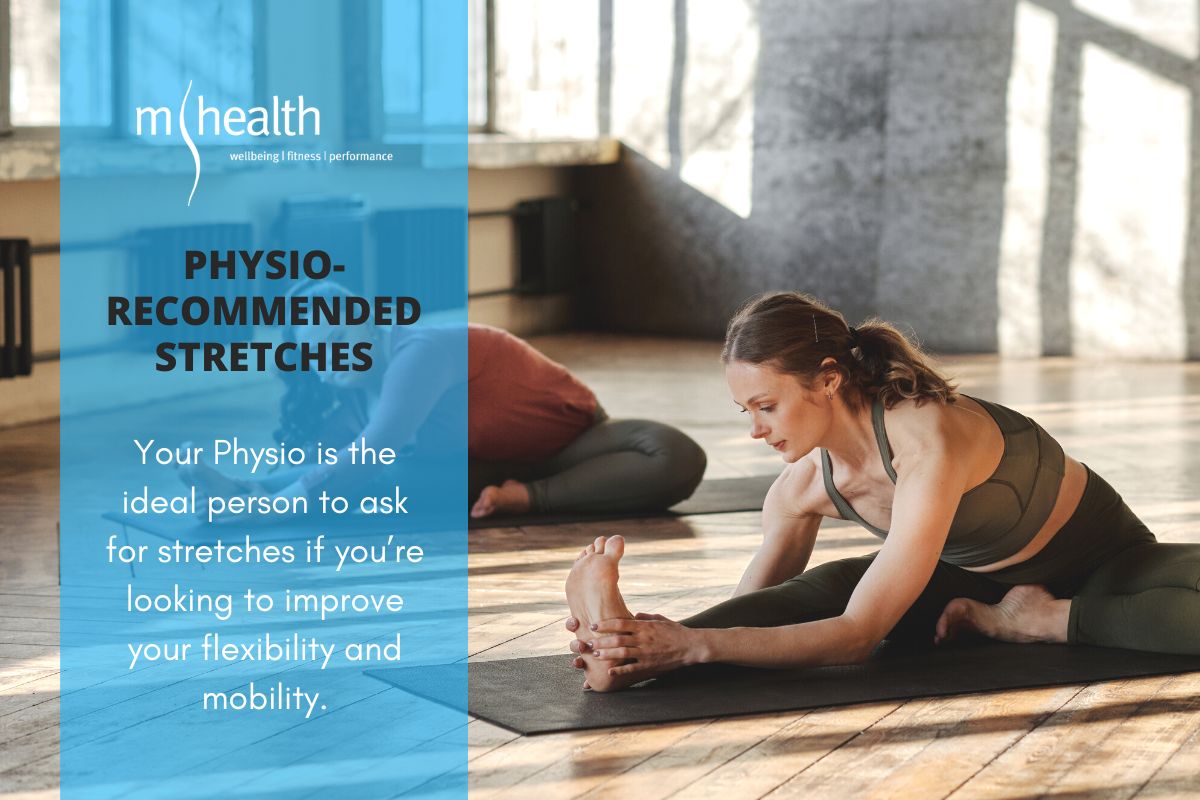
A physiotherapist is an ideal person to ask for stretches if you’re looking to improve your flexibility and mobility.
We often suggest specific stretches to our patients to help them recover from an injury or improve their overall health.