Do you often feel stiff, unstable, or struggle with ongoing back discomfort? Whether you’re recovering from an injury or simply looking to improve how you move and feel, Clinical Pilates offers a gentle yet powerful way to strengthen your core, increase flexibility, and restore confidence in your body.
At mhealth, Clinical Pilates is delivered by qualified physiotherapists who create personalised programs based on your needs and goals. In this blog, we’ll explore how Clinical Pilates may help with core stability, posture, flexibility, and long-term well-being.
What Is Clinical Pilates?
Unlike general Pilates classes, Clinical Pilates is a physiotherapist-guided exercise method that uses targeted movements to support injury recovery, improve function, and build core control. It draws on the traditional principles of Pilates—such as precision, breathing, and control—but adapts them to suit individual injuries, conditions, or rehabilitation goals.
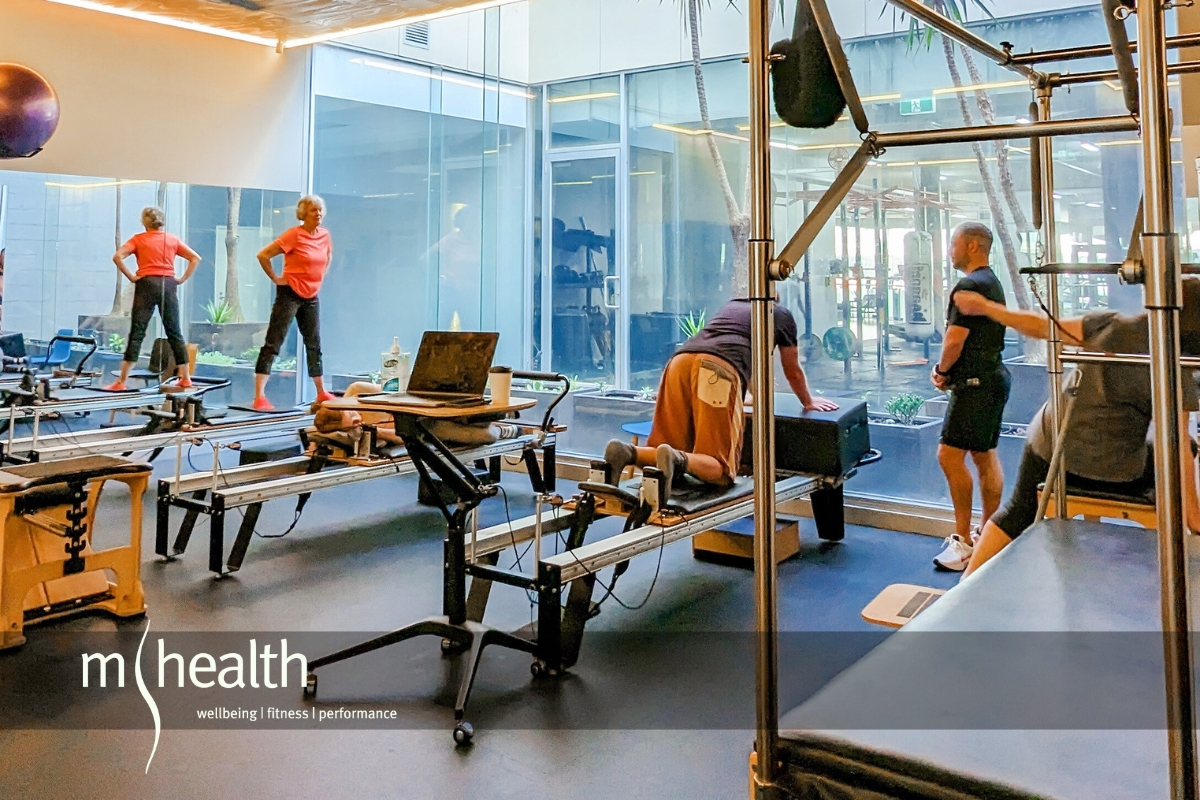
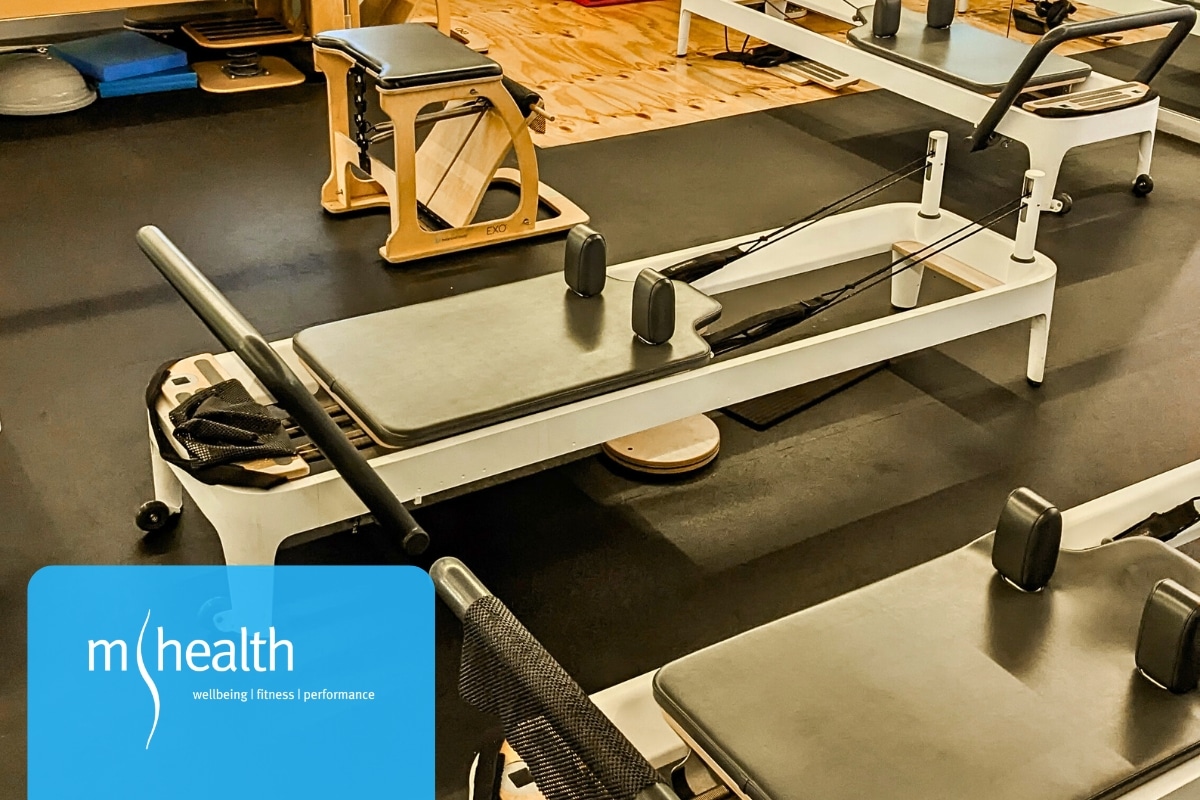
Sessions often use equipment like reformers, balls, and resistance bands to gently challenge the body without placing strain on joints or healing tissues.
Common Issues Clinical Pilates Can Support
Many people begin Clinical Pilates after experiencing:
- Persistent lower back pain
- Poor posture from prolonged sitting or desk work
- General stiffness in the hips, shoulders, or spine
- Muscle weakness following surgery or injury
- Core instability after pregnancy
It’s suitable for people of all fitness levels and abilities. Because the sessions are one-on-one or in small groups, your physiotherapist can modify exercises to suit your comfort, strength, and flexibility.
Strengthening Your Core—Safely and Effectively
One of the biggest benefits of Clinical Pilates is its focus on building deep core strength. These are the muscles that support your spine, pelvis, and posture—like the transversus abdominis, pelvic floor, and diaphragm.
Rather than pushing the body to fatigue, Clinical Pilates activates and strengthens these deep muscles with controlled, low-repetition movements. This approach may:
- Improve spinal support and reduce back discomfort
- Enhance postural control throughout the day
- Support safe return to physical activity after injury
💡 Read more about how Pilates supports core strength at Better Health Channel.
Improving Flexibility and Movement
Clinical Pilates doesn’t just build strength—it also helps improve flexibility and joint mobility through dynamic stretching and low-load movement. This may benefit people who feel restricted or tight in their movement, especially in the:
- Lower back and hips
- Hamstrings and calves
- Chest and shoulders
Many patients notice increased range of motion, better posture, and reduced muscular tension after just a few sessions.
💡 Learn more about flexibility and injury prevention at Healthdirect.
Is Clinical Pilates Right for You?
Clinical Pilates is highly adaptable and suitable for:
- Adults recovering from musculoskeletal injuries or surgery
- Individuals looking to manage chronic back or joint pain
- Pregnant or postnatal women (with medical clearance)
- Those wanting to improve posture, flexibility, or functional movement
- Anyone new to exercise seeking a low-impact, supervised program
If you’re unsure whether it’s the right fit, a physiotherapy assessment at mhealth can help determine if Clinical Pilates should be part of your recovery or health plan.
Is Clinical Pilates Right for You?
Clinical Pilates is highly adaptable, making it a suitable choice for people of all fitness levels and movement abilities. It’s especially helpful for those recovering from injury, managing chronic pain, or looking to improve posture, mobility, and core control in a safe and supportive environment.
Unlike general Pilates classes, Clinical Pilates is delivered by trained physiotherapists who tailor each session to your health history, goals, and physical capacity. This personalised approach ensures that the movements are safe, targeted, and aligned with your broader rehabilitation or wellness plan.
Because Clinical Pilates is often part of a wider treatment strategy, it integrates well with other allied health services such as physiotherapy, massage, and exercise physiology. Many patients combine modalities for a more complete and progressive recovery journey.
Final Thoughts
Whether you’re trying to manage discomfort, regain strength after an injury, or simply move better, Clinical Pilates offers a gentle, structured pathway to improved mobility and confidence. By focusing on core control, flexibility, and safe technique, it can help reduce the risk of re-injury and support long-term health goals.
At mhealth, our physiotherapists design Clinical Pilates programs to meet you where you’re at—whether you’re recovering, maintaining, or building strength for the future.
Book a Free Pilates Assessment today and take the first step towards better movement, strength, and flexibility—with a program tailored just for you.