Running may be one of the most natural forms of exercise, but it’s also one of the easiest ways to get injured—especially if you’re pushing too hard, skipping recovery, or ignoring warning signs. The frustrating part? Many runners make the same mistakes over and over without realising they’re setting themselves up for injury.
Whether you’re training for a marathon or just running for fun, understanding the most common running injuries—and what causes them—is the first step towards staying pain-free and consistent.
The most common running injuries
1. Runner’s knee (patellofemoral pain syndrome)
This is a general term for pain in the front of the knee, around or behind the kneecap. It’s often caused by issues like improper patellar tracking, weak hip or thigh muscles, or overtraining.
2. Shin splints (medial tibial stress syndrome)
This is a very common issue, characterised by pain and inflammation along the front or inside of the shinbone (tibia). It often occurs when you increase your running mileage, speed, or frequency too quickly.
3. Plantar fasciitis
This condition causes a sharp, stabbing pain in the heel or bottom of the foot, especially with the first steps in the morning. It’s an inflammation of the plantar fascia, a thick band of tissue connecting your heel bone to your toes. Tight calf muscles and certain foot types can contribute to this.
4. Achilles tendinopathy
This is an overuse injury to the Achilles tendon, the band of tissue that connects your calf muscle to your heel bone. It results in pain, stiffness, and sometimes swelling in the back of the ankle and heel. A sudden increase in training intensity or volume is a frequent cause.
5. Iliotibial (IT) band syndrome
The IT band is a long piece of connective tissue that runs from your hip to your knee. IT band syndrome causes a sharp, aching, or burning pain on the outside of the knee, often due to the band rubbing against the thigh bone. Weak hip and gluteal muscles are often a contributing factor.
6. Stress fractures
These are tiny cracks in a bone, most frequently in the tibia, fibula, or bones of the foot. They are a result of accumulated stress from repeated impact without adequate time for the bone to repair itself. Pain typically worsens with activity and improves with rest.
7. Hamstring strains
While more common in sprinters, distance runners can also experience hamstring strains. These are small tears in the muscles at the back of the thigh, often caused by fatigue or a lack of flexibility.
8. Ankle sprains
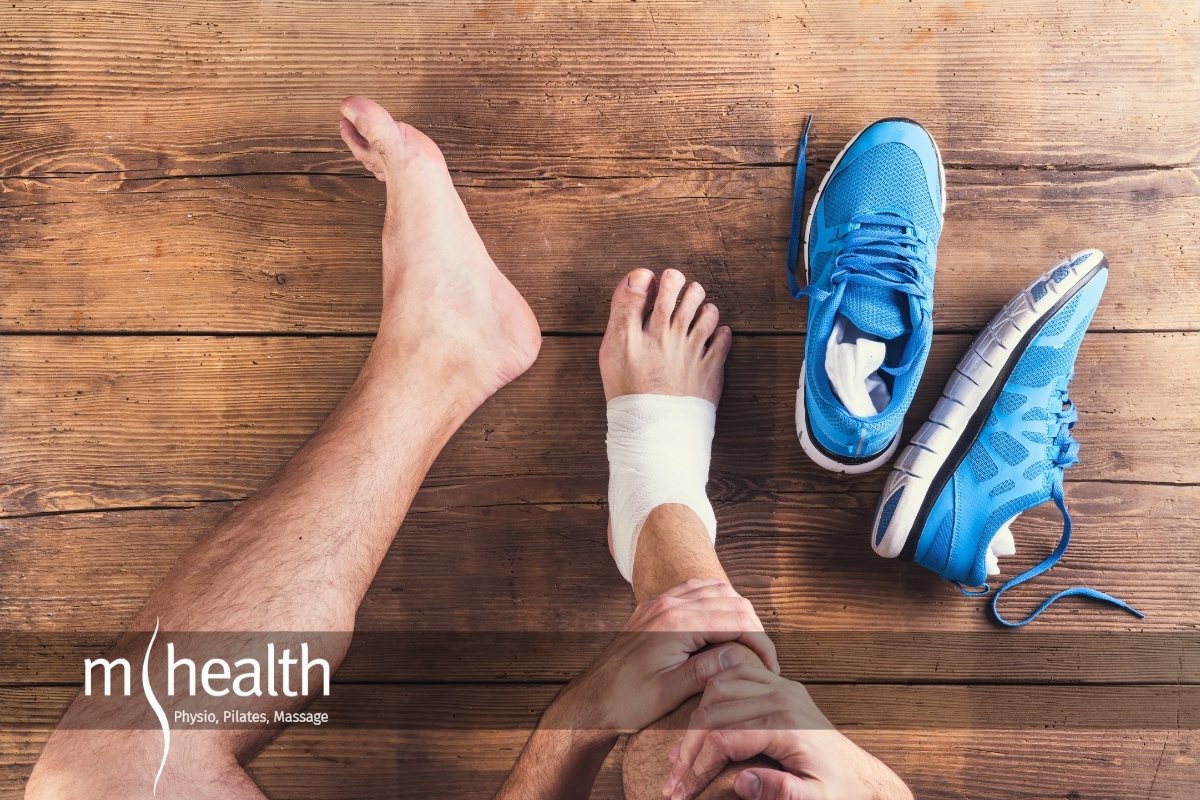
An ankle sprain occurs when your foot rolls into an unnatural posture while running, overstretching or ripping the ligaments that support the ankle. Stepping into a hole, abruptly changing direction, or sprinting on uneven ground are all examples of “missteps” that may injure the ankle.
How to prevent running injuries
-
Progress gradually
One of the most common causes of running injuries is doing too much too soon. Follow the “10% rule,” which suggests you should not increase your weekly mileage by more than 10%.
-
Warm-up and cool-down
Always start with a dynamic warm-up (e.g., walking, leg swings) for 5-10 minutes to prepare your muscles. After your run, cool down with some light stretching, holding each stretch for 20-30 seconds. This helps improve flexibility and recovery.
-
Strengthen your muscles
Weak muscles, particularly in the hips, glutes, and core, can lead to poor running form and an increased risk of injury. Incorporate strength training into your routine, focusing on exercises like squats, lunges, and calf raises.
-
Get the right shoes
Wear running shoes that are appropriate for your foot type and gait. Go to a specialty running store where a professional can analyse your gait and recommend the right footwear.
-
Listen to your body
Pay attention to pain. It’s normal to feel general muscle soreness, but if you experience persistent or sharp pain, it’s a sign to rest. Pushing through pain can turn a minor issue into a more serious injury.
-
Incorporate rest and recovery
Your body needs time to repair itself. Schedule at least one or two rest days per week. Cross-training activities like swimming or cycling can also help you stay fit while giving your running muscles a break.
-
Run on varying surfaces
Running exclusively on hard surfaces like concrete can increase the impact on your joints. Mix up your runs by using softer surfaces like trails, grass, or a track.

Final thoughts
The high-impact nature of running can lead to a variety of injuries. Most running injuries are a result of overuse, poor training habits, or weak muscles. However, with the right approach, many of these issues can be prevented.
Book an appointment with one of our experienced physiotherapists today for a comprehensive assessment and customised treatment plan.