
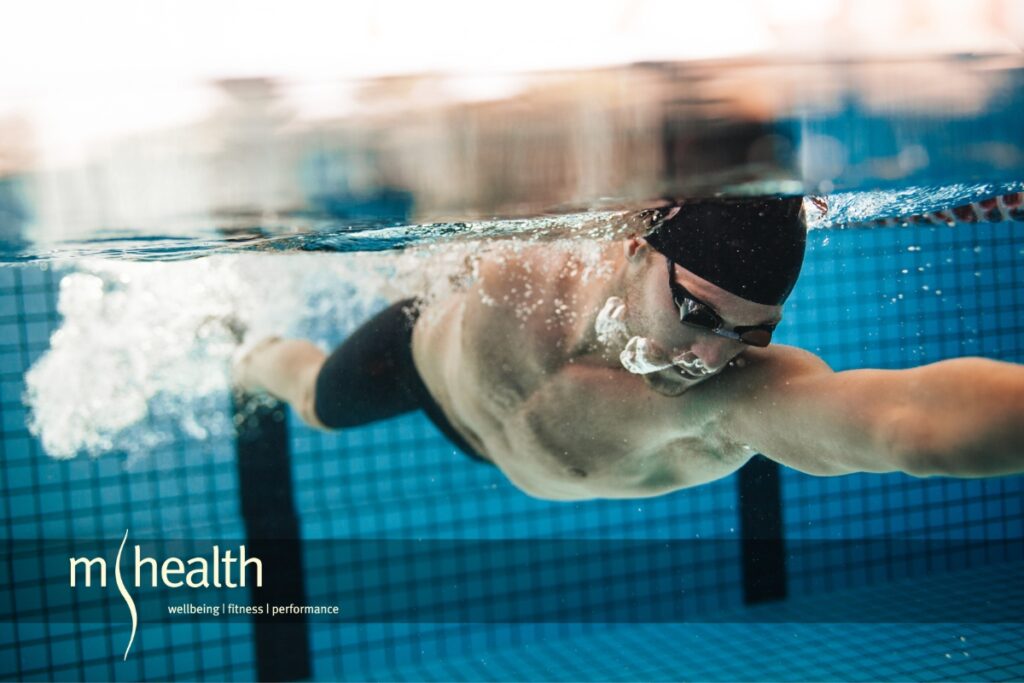
Swimming is a fantastic full-body workout that can help you improve your cardiovascular health, build muscle strength, and sculpt your entire body. However, swimming can also put a lot of stress on your joints, especially your shoulders, hips, and knees. This is where clinical Pilates can help.
Clinical Pilates is a form of exercise that focuses on strengthening the core muscles, improving flexibility, and enhancing overall body alignment. This type of Pilates is specifically designed to help people with injuries or movement dysfunction. Clinical Pilates can be a great way for swimmers to prevent injuries, improve their performance, and recover from workouts faster.
Common injuries in swimming
Swimmers face a unique set of challenges when it comes to injuries, primarily due to the repetitive nature of their movements and their constant exposure to water. Here are some of the most common injuries swimmers encounter:
1. Swimmer’s shoulder
This umbrella term encompasses various shoulder injuries caused by overuse and repetitive strain. It can manifest as rotator cuff impingement, tendonitis, bursitis, or even tears. The repetitive overhead motion of swimming strokes puts immense stress on the shoulder joint, leading to inflammation and pain.
2. Swimmer’s knee
While less commonly known, swimmer’s knee is a frequent complaint, particularly among breaststroke swimmers. The frog-kick motion in breaststroke puts significant pressure on the kneecap and surrounding structures, leading to pain and inflammation. Improper leg alignment and weak core muscles can exacerbate the issue.
3. Neck and lower back pain
The constant rotation of the neck for breathing and the undulating body movements in swimming can strain the neck and lower back muscles. Competitive swimmers often use the dolphin kick, which may worsen back disorders such as lower back disc problems or spondylolysis. Poor posture and core weakness can contribute to this pain.
4. Ankle sprain
While not directly related to swimming strokes, entering or exiting the pool can lead to ankle sprains, especially on slippery surfaces. Elite swimmers are not known for their “on land” coordination – sadly there have been many injuries over the years in the stands or on the pool deck.
5. Plantar fasciitis
The repetitive kicking action in swimming can irritate the plantar fascia, a band of tissue along the bottom of the foot, causing heel pain.
6. Calf cramps
These are sudden, painful muscle contractions that can make it difficult or even impossible to continue swimming. They can strike during any swimming stroke but are most common during freestyle kicking or turns.
7. Overuse injuries
Beyond specific areas, swimming can lead to general overuse injuries, especially with intense training regimes and inadequate rest. Muscle fatigue, tightness, and general aches and pains are common indicators.
Preventing swimming injuries
- Proper technique: Good swimming technique is crucial to avoid putting undue stress on your joints and muscles. Seek professional coaching to refine your strokes and identify any biomechanical imbalances.
- Strength training: Strengthening your core, shoulders, legs, and back muscles can significantly improve your swimming performance and reduce injury risk.
- Flexibility and stretching: Regularly stretching your major muscle groups, especially those involved in swimming, can improve your range of motion and prevent muscle tightness.
- Rest and recovery: Listen to your body and take sufficient rest days to allow your muscles and joints to recover. Overtraining is a major risk factor for swimming injuries.
- Warm-up and cool-down: Always perform a proper warm-up before swimming and a cool-down routine afterwards to prepare your body for activity and promote recovery.
Clinical Pilates programs for swimmers
There are a variety of clinical Pilates programs that are specifically designed for swimmers. These programs typically focus on exercises that target the muscles that are most important for swimming, such as the core, hips, and shoulders. They may also include exercises that help to improve flexibility and range of motion.
Clinical Pilates exercises that are beneficial for swimmers
- Core strengthening exercises: These exercises help to strengthen the muscles of the abdomen, back, and hips, which are essential for providing stability and support during swimming.
- Hip mobility exercises: These exercises help to improve the range of motion in the hips, which is important for efficient swimming strokes.
- Shoulder stability exercises: These exercises help to strengthen the muscles around the shoulder joint, which can help to prevent injuries.

The benefits of clinical Pilates for swimmers
Clinical Pilates treatment plans for swimmers have numerous advantages, including:
- Improved core strength and stability
- Increased flexibility and range of motion
- Enhanced proprioception and body awareness
- Reduced risk of injury
- Improved swimming performance
- Faster recovery from workouts
- Injury prevention
Final thoughts on clinical pilates for swimmers
Clinical Pilates can be an invaluable tool to optimise performance and prevent injuries. Whether you’re dealing with shoulder pain, looking to improve your stroke mechanics, or simply wanting to enhance your overall swimming abilities, incorporating clinical Pilates into your training regimen can provide a wide range of benefits.
If you are a swimmer, we encourage you to try clinical Pilates. You may be surprised at how much it can help your swimming.
Book your clinical Pilates pre-assessment appointment with one of our highly skilled physiotherapists today!