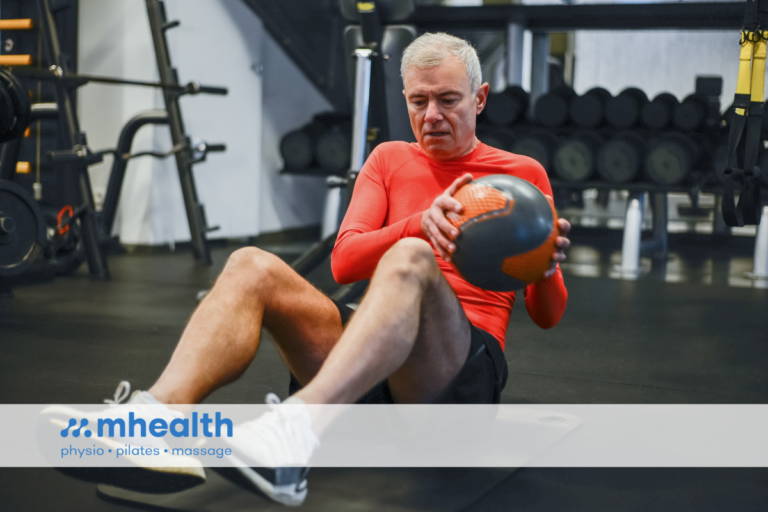

Are you a golfer looking to improve your game? Have you tried various exercises and training methods with little success? If so, you may want to consider adding clinical Pilates to your routine.
Golf is a sport that requires a combination of strength, flexibility, and control. Many golfers struggle with issues such as limited range of motion, poor posture, and a lack of core stability, which can negatively impact their swing and overall performance. Traditional training methods may not effectively address these specific issues.
Clinical Pilates, a specialised form of Pilates that focuses on rehabilitation and injury prevention, can be highly beneficial for golfers. It targets key areas of the body that are crucial for a powerful and efficient golf swing.
By incorporating clinical Pilates into your training regimen, you can improve your flexibility, strengthen your core, and enhance your overall body control, leading to improved performance on the golf course.

Common golf injuries
Repetitive motions and overuse of muscles can lead to common golf ailments such as back pain, elbow injuries, shoulder pain, knee pain, and wrist problems. Trauma can also cause these ailments.
-
Back pain
This is the most common golf injury, affecting up to 80% of golfers. It’s often caused by poor swing mechanics, overuse, and a lack of flexibility. Lower back pain is especially prevalent due to the twisting and bending involved in the golf swing.
-
Rotator cuff injuries
The rotator cuff is a group of muscles and tendons that stabilise the shoulder joint. Repetitive overhead motions in the golf swing can lead to inflammation, tears, and other injuries in this area.
-
Elbow Injuries
Both golfer’s elbow (medial) and tennis elbow (lateral) can affect golfers. These are overuse injuries caused by inflammation and degradation of the tendons attaching to the forearm muscles of the elbow joint.
-
Knee pain
Golfer’s knee, or patellofemoral pain syndrome, is caused by overuse and irritation of the kneecap and surrounding tissues. It can be aggravated by walking long distances on the course and sudden changes in direction during the swing.
-
Wrist injuries
Repetitive wrist movements during impact and follow-through can lead to tendinopathies, , carpal tunnel syndrome, and other wrist problems.
Less common injuries
- Ankle sprains: These are caused by twisting or rolling the ankle on uneven terrain.
- Foot pain: Plantar fasciitis, heel pain, and other foot problems can be exacerbated by walking and standing for extended periods during a round.
- Neck pain: Similar to back pain, neck pain can occur from poor posture and swing mechanics.
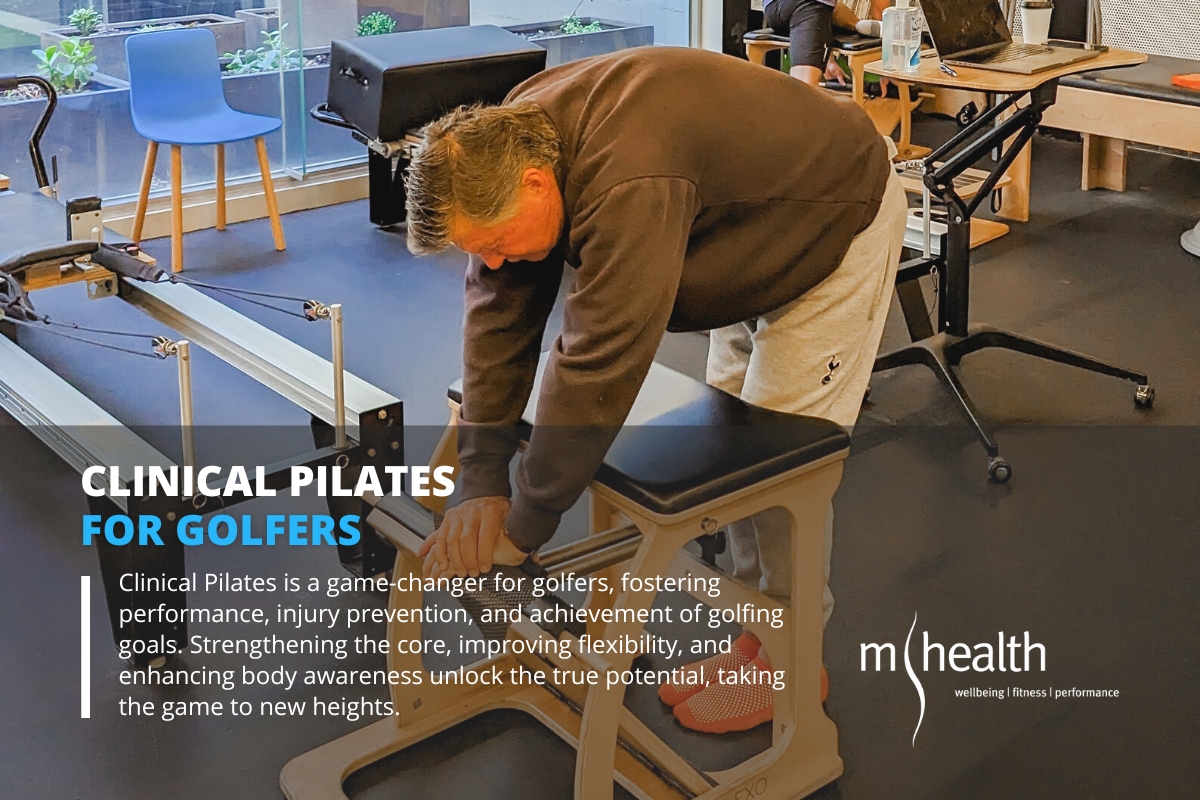
Clinical Pilates programs for golfers
Golf is a sport that demands both physical prowess and mental acuity. While many golfers focus on honing their swing mechanics and developing strategic course management skills, often overlooked is the importance of physical conditioning.
Clinical Pilates programs for golfers are different from traditional Pilates classes. Traditional classes usually cater to a wide range of fitness levels and goals, but clinical Pilates programs cater to individual golfers. These programs are designed to address the specific needs of each golfer, including their physical limitations, existing injuries, and golfing goals.
A qualified clinical Pilates instructor will assess each golfer’s individual needs and develop a personalised program that includes exercises tailored to their specific requirements.
These programs typically focus on improving:
-
Enhanced core strength and stability
The core muscles, including the abdominals, back, and hips, play a crucial role in generating power and maintaining balance during the golf swing. Clinical Pilates exercises specifically target these core muscles, improving strength, stability, and control.
-
Improved flexibility and range of motion
Golf requires a high degree of flexibility, particularly in the hips, shoulders, and spine. Clinical Pilates incorporates exercises that enhance flexibility and range of motion, allowing for a more fluid and powerful swing.
-
Injury prevention
Repetitive swinging and improper posture can lead to overuse injuries such as back pain, shoulder impingement, and golfer’s elbow. Clinical Pilates addresses these issues by promoting proper alignment, strengthening muscles, and improving flexibility, reducing the risk of injury.
-
Enhanced mental focus and body awareness
Clinical Pilates emphasises the mind-body connection, promoting body awareness and proprioception. This enhanced awareness can translate to the golf course, allowing golfers to control their movements better and improve their overall performance.
The benefits of clinical Pilates for golfers
By incorporating clinical Pilates into your training regimen, golfers can reap a multitude of benefits, including:
- Increased power and distance off the tee.
- Improved accuracy and consistency in fairway shots.
- Enhanced short-game skills.
- Reduced risk of injuries.
- Improved mental focus and body awareness.
Final thoughts on clinical pilates for golfers
Clinical Pilates offers a powerful tool for golfers of all levels, from beginners to experienced players, seeking to enhance their performance, prevent injuries, and achieve their golfing aspirations.
By strengthening their core, improving flexibility, and developing body awareness, golfers can unlock their true potential and elevate their game to new heights.
Book your clinical Pilates pre-assessment appointment with one of our highly skilled physiotherapists today!