
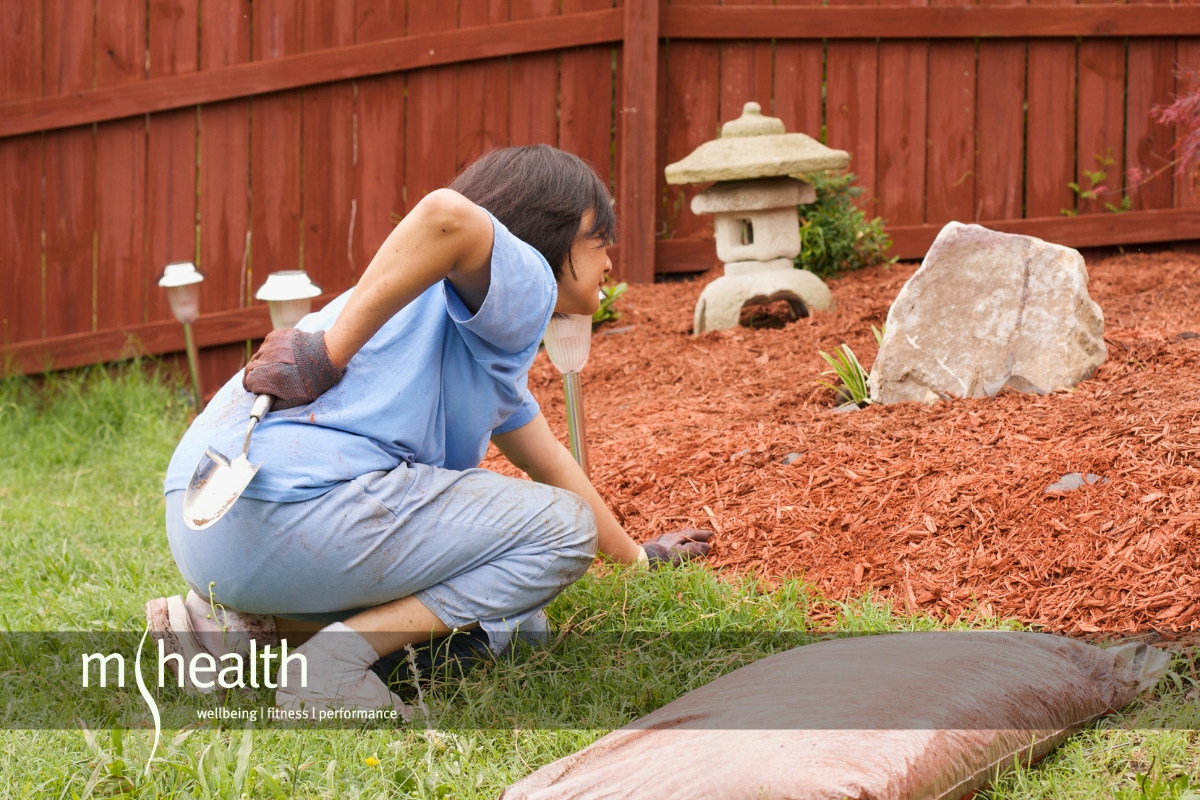
Do you love gardening but dread the inevitable back pain that follows a day spent nurturing your plants? Isn’t it frustrating when all you want is to spend peaceful hours in your garden, only to be hindered by aches and discomfort?
Gardening is a rewarding hobby that offers both mental and physical benefits. However, gardeners often face the challenge of uncomfortable bending, lifting, and kneeling, which can contribute to back strain over time. As the pursuit of greener thumbs coincides with ageing populations and more sedentary lifestyles, it’s crucial to find ways to enjoy this beloved activity without sacrificing your back’s well-being.
The good news is, you don’t have to choose between your passion for gardening and your spinal health. By implementing a few strategic practices, you can protect your back while enjoying the tranquillity and satisfaction that gardening provides.
How to garden and not hurt your back
All the work required to create a beautiful garden can cause back and neck pain and even injury. Here’s a breakdown of how to minimise back pain while enjoying your garden:
1. Proper posture and body mechanics
- Lift with your legs, not your back: Bend your knees and keep your back straight when lifting pots, bags of soil, or heavy tools.
- Avoid twisting: Turn your whole body instead of twisting at the waist.
- Keep objects close: Hold items close to your body to reduce strain.
- Take frequent breaks: Don’t try to do too much at once. Stand up, stretch, and walk around every 20-30 minutes.
- Kneel or sit on a low stool: This reduces strain on your lower back compared to bending over.
- Vary your tasks: Alternate between activities that require bending, kneeling, and standing.
- Maintain good posture when standing: Stand tall with your shoulders back and down.
2. Ergonomic tools and equipment
- Use long-handled tools: These minimise bending and reaching.
- Invest in a garden cart or wheelbarrow: This reduces the need to carry heavy items.
- Use a kneeling pad or garden seat: These provide support and reduce strain on your knees and back.
- Choose lightweight tools: Heavy garden tools can exacerbate back pain.
- Use tools with ergonomic handles: These are designed to reduce strain on your wrists and hands.
- Self-watering planters: These reduce the amount of watering needed, therefore reducing the number of heavy watering cans you will need to carry.
- Use a wheeled scooter: If you need to move around the garden, consider using a garden scooter to avoid twisting your back.
3. Warm-up and stretching
- Warm-up before gardening: Do some light stretches or a brisk walk to prepare and loosen tight muscles.
- Stretch regularly: Focus on stretches that target your back, hamstrings, and hip flexors. Some examples include:
- Knee-to-chest stretch
- Pelvic tilt
- Cat-cow stretch
- Hamstring stretches
- Cool down after gardening: Repeat some of the warm-up stretches to help your muscles recover.

4. Strengthen your core
- Strong core muscles provide support for your back: Engage in exercises that strengthen your core, such as:
- Planks
- Bridges
- Crunches (with proper form)
- Dead bugs
- Measure the strength of your low back with mhealth’s computerised MedX machine
- Regular exercise: General fitness helps to keep your back strong and healthy.
- Clinical pilates to make sure you have appropriate strength and flexibility
5. Garden design and layout
- Raised garden beds: These reduce the need to bend over.
- Container gardening: This allows you to garden at a comfortable height.
- Plan your garden layout: Arrange plants and pathways to minimise reaching and bending.
- Use easy-to-reach watering systems: Consider drip irrigation or soaker hoses.
- Minimise the size of the garden: This reduces the overall workload.
6. Listen to your body
- Don’t push through pain: If you experience back pain, stop gardening and rest.
- Ice or heat: Apply ice or heat to your back to relieve pain.
- Consult a doctor or physical therapist: If you have chronic back pain, seek professional advice.
- Stay hydrated: Drink plenty of water.
- Consider your footwear: Wear supportive shoes.
7. Soil and mulch considerations
- Use lightweight potting mixes: Heavy soil adds to the strain when lifting and moving pots.
- Mulch: Mulch reduces the amount of weeding, and therefore the amount of bending you will need to do.
- Consider a soil test: Healthy soil can reduce the amount of soil amendments needed, reducing the amount of heavy lifting.
By following these tips, you can enjoy gardening without back pain and keep your back healthy for years to come.

Final thoughts
Gardening should be a source of joy, not discomfort. By incorporating smart techniques and ergonomic tools, you can transform your garden into a haven that nourishes your plants and well-being.
Remember, a healthy back means more time enjoying the fruits of your labour. So, dig in with confidence and keep those backaches at bay, because a thriving garden and a happy spine make the perfect pair!