
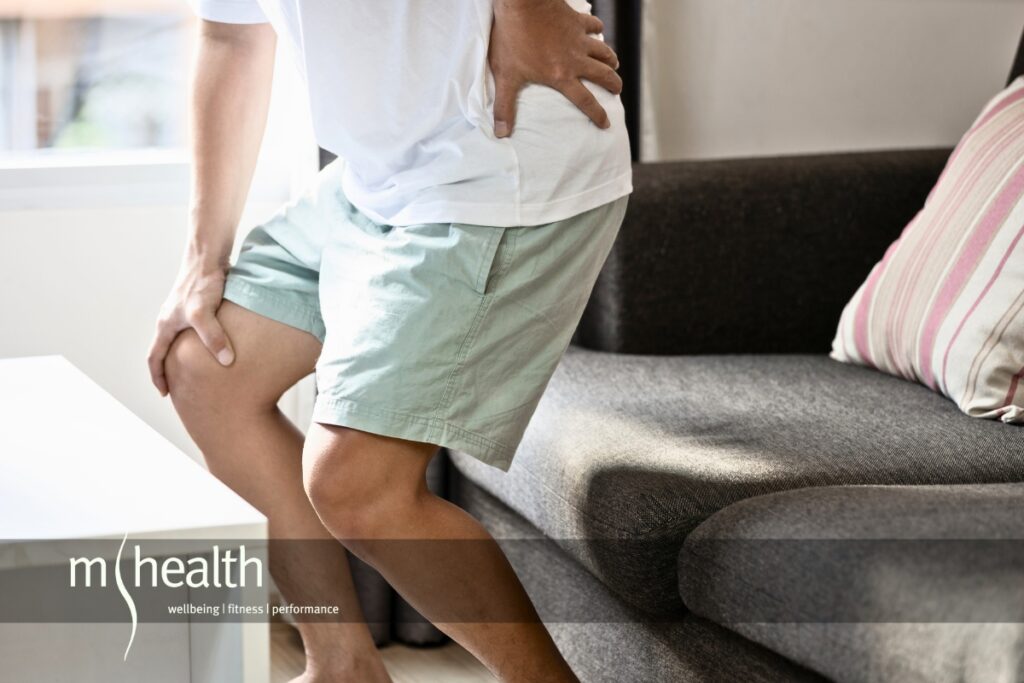
Are you constantly struggling with knee and hip pain due to osteoarthritis? Have you tried numerous treatments but haven’t found relief yet? Physiotherapy might just be the solution you’ve been looking for.
Osteoarthritis is a common condition affecting millions of people worldwide, causing joint pain and stiffness. While surgeries are often recommended for managing the symptoms, physiotherapy has been proven to be an effective and non-invasive treatment option for improving knee and hip pain in individuals with osteoarthritis.
Physiotherapy focuses on improving the strength, flexibility, and function of the affected joints, which can help alleviate pain and improve the overall quality of life. Physiotherapy can make a significant difference in managing osteoarthritis symptoms by incorporating targeted exercises, manual therapy, and education on proper movement patterns. Up-to-date research has shown that appropriate weight-bearing exercise can restore cartilage (re-grow it) in knees and hips with osteoarthritis. Ask your physio about this!
What is knee and hip osteoarthritis?
Osteoarthritis is the most prevalent type of arthritis in Australia. According to the 2017-18 Australian Bureau of Statistics (ABS) National Health Survey (NHS), over 2.2 million (9.3%) Australians reported having this medical condition (ABS 2019).
Hip and knee osteoarthritis usually develops gradually over many years and damages articular tissues such as the knee or hip joint capsule, menisci, cartilage, and ligaments. Modern research has discovered that regular weight-bearing exercise is a major stimulus for the re-growth of cartilage. Cartilage can be maintained if appropriate exercise is commenced early enough in the disease progression.
The last stage of osteoarthritis is characterised by articular cartilage loss and alterations in the underlying bone. The hip and knee joints are the most often affected, accounting for the majority of osteoarthritis cases.
Previous joint damage, being overweight, a sedentary lifestyle, weak muscles, and genetics can all contribute to or impact the condition.
Osteoarthritis can be diagnosed using a variety of factors, including physical activity-related pain, functional limitations (i.e., trouble with daily activities), limited range of motion, and age. Furthermore, arthritis can be diagnosed without the use of an x-ray. Interestingly modern research states that changes seen on X-rays only account for 43% of correct osteoarthritis diagnosis. The trick here is having a good clinician appraise your situation.
Common symptoms of knee osteoarthritis
Difficulty and pain in the knee during the following activities:
- Putting on shoes and socks
- Ascending or descending stairs
- Standing up from a chair
- Standing and walking for extended periods
- Leisure activities and sports
- Swelling around the knee
- Reduced strength in muscles around the knee
- Crunching or clicking sounds
- The feeling of knee instability, “looseness” or giving way
Common symptoms of hip osteoarthritis
Pain locations can include:
-
- Often on the outside of the hip or deep within the groin
- The inner or outer section of the thigh
- Above or inside the knee
- Pain may refer to the ankle and leg
Physical restrictions can include:
-
- Putting on shoes or socks
- Transitioning from sitting to standing
- Pain with walking
Physiotherapy treatment for knee and hip pain in people with osteoarthritis
Physiotherapy can be a powerful tool for managing knee and hip pain caused by osteoarthritis. Here’s how:
1. Exercise therapy
This is a cornerstone of physiotherapy for osteoarthritis. Your physiotherapist will design a personalised exercise program that focuses on strengthening the muscles around your hips and knees. Stronger muscles support the joints, improve stability, and reduce stress on the joint itself, leading to less pain. The program might include exercises like:
-
- Weight bearing activity
Walking 30 minutes continuously per day five times per week as a minimum - Strength training
Builds muscle strength and endurance. - Aerobic exercise
Improves cardiovascular health and overall fitness, which can help manage weight and reduce stress on the joints. - Range-of-motion exercises
Maintains flexibility and keeps the joints moving smoothly.
- Weight bearing activity
2. Education
Understanding osteoarthritis and how to manage it is crucial. A physiotherapist will educate you about the condition, pain management strategies, and lifestyle modifications that can help, such as maintaining a healthy weight and using proper posture and techniques during daily activities.
3. Other physiotherapy techniques
Physiotherapists may also use other modalities to manage pain and improve function, such as:
-
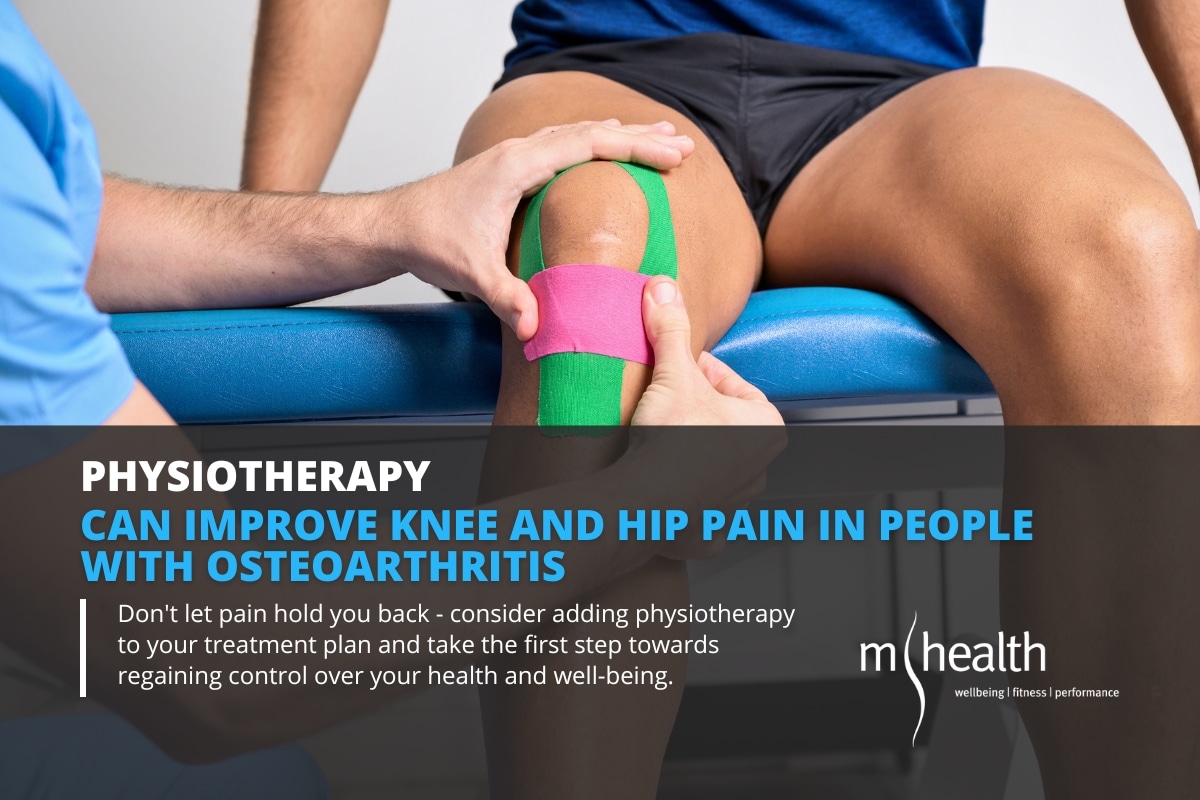
- Manual therapy
Hands-on techniques like massage and joint mobilisation can improve joint mobility and ease pain. - Clinical Pilates
Individually tailored exercises in a group class setting - Group Pilates
Group class exercise where everyone does the same routine - Hydrotherapy
Exercises performed in water can be gentle on the joints while providing a good workout. - Electrotherapy
Techniques like ultrasound or electrical stimulation can help manage pain and inflammation.
- Manual therapy
Benefits of physiotherapy for knee and hip pain in people with osteoarthritis
- Facilitating re-growth of cartilage if weight-bearing exercise is done correctly
- Reduced pain and stiffness
- Improved joint mobility and function
- Increased strength and stability
- Improved balance and coordination
- Better ability to perform daily activities
- Reduced reliance on pain medication

Final thoughts
It is important to recognise the impact that knee and hip osteoarthritis can have on daily life. The pain and limitations caused by this condition can significantly affect one’s quality of life, making it difficult to perform even simple tasks. However, physiotherapy offers a holistic approach to managing these symptoms and improving overall function.
Physiotherapy is a powerful tool in the fight against knee and hip pain caused by osteoarthritis. By focusing on strengthening, flexibility, and overall mobility, physiotherapy can significantly improve the quality of life for those suffering from this condition.
Don’t let pain hold you back – consider adding physiotherapy to your treatment plan and take the first step towards regaining control over your health and well-being.
Book an appointment with one of our experienced physiotherapists today for a comprehensive assessment and customised treatment plan.