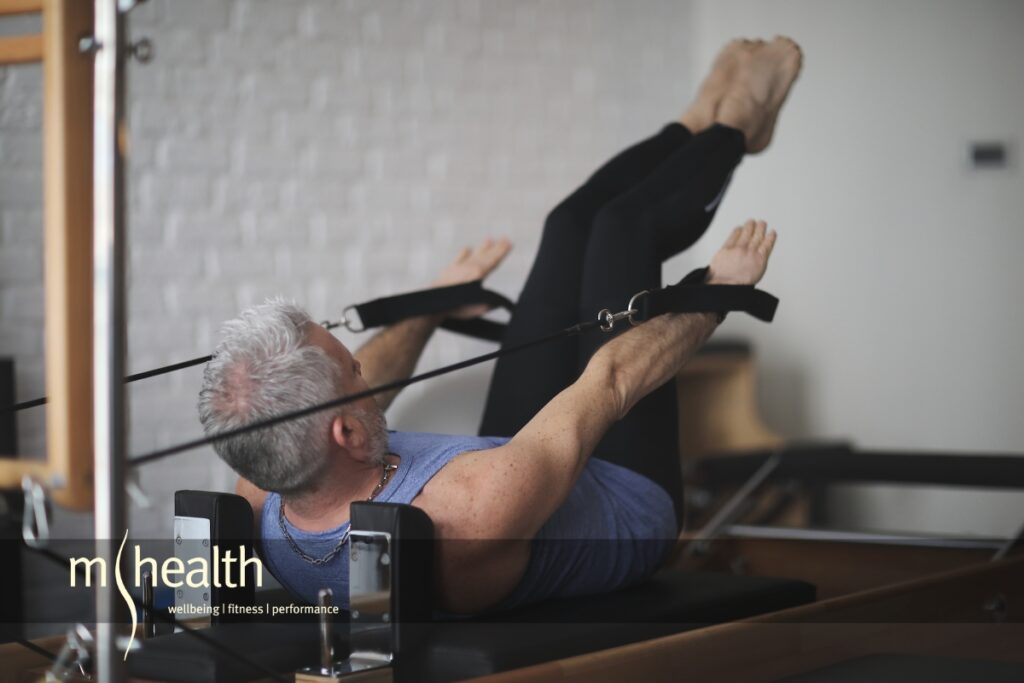
Are you looking to regain strength and improve your overall fitness level? If so, consider incorporating clinical Pilates into your exercise routine. Clinical Pilates is a highly effective exercise focusing on building core strength, improving flexibility, and enhancing overall body function.
After an injury or inactivity, it can be challenging to regain strength and return to your previous fitness level. Traditional exercise methods may only be suitable or practical for some. This is where clinical Pilates comes in. Initially developed by Joseph Pilates in the early 20th century as a rehabilitation method, clinical Pilates has since evolved into a popular exercise approach used by individuals of all fitness levels.
Clinical Pilates offers a unique and holistic approach to fitness. Targeting deep core muscles and emphasising proper alignment and breathing techniques can help individuals regain strength, improve posture, and prevent future injuries. Whether recovering from an injury or simply looking to improve your overall physical well-being, clinical Pilates may be the key to regaining strength and achieving your fitness goals.
What is clinical Pilates?
Clinical Pilates, also known as physiotherapy-based Pilates, is a specialised form of exercise that is adapted to the demands and medical circumstances of the individual. It aims to improve strength, flexibility, posture, and body awareness while addressing specific musculoskeletal conditions.
Clinical Pilates, as opposed to a generic fitness program, is taught by a licenced physiotherapist or exercise physiologist who have received specialised training in the Pilates method, ensuring a safe and effective experience and expert guidance for participants of various backgrounds and abilities.

The advantages of clinical Pilates
1. Targeted muscle engagement
Clinical Pilates focuses on movements that are precise and controlled and target specific muscle areas. It focuses on the involvement of both significant and small muscles through various exercises, enhancing muscular activation and recruitment. You can efficiently grow and strengthen muscular mass by systematically training these muscles.
2. Reduced stress
Pilates’ controlled breathing and attention demand a relaxing impact on the mind, lowering stress and anxiety.
3. Improved flexibility
By stretching and extending your muscles, regular Pilates practice can improve your flexibility. This can result in an increased range of motion and decreased muscular stiffness.
4. Targeted injury rehabilitation and recovery
Clinical Pilates is an effective rehabilitation tool, giving specific exercises to aid recovery from various chronic conditions and procedures. Clinical Pilates, when performed under the supervision of a competent healthcare practitioner, such as a physiotherapist or physiologist focuses on building strength, flexibility, and stability while addressing particular areas of weakness or dysfunction.
It can help you restore function and resume your regular activities more efficiently after medical conditions such as back pain, sports injuries, joint replacements, and musculoskeletal imbalances.

5. Pain relief and management
Chronic pain can be debilitating and have a negative influence on your quality of life. Clinical Pilates is a comprehensive approach to pain therapy that addresses both the physical and psychological elements of pain. Clinical Pilates attempts to enhance muscular strength and control, flexibility, and general body alignment through regulated movements, which can decrease pain and suffering.
Furthermore, the mind-body connection developed during Clinical Pilates sessions can assist clients in developing coping skills and a positive outlook, ultimately contributing to better pain management outcomes.
6. Improved posture and alignment
Clinical Pilates focuses on posture correction and increasing body alignment. It assists individuals in achieving ideal alignment and reducing injuries to the spine and joints by treating muscle imbalances and strengthening abdominal muscles. This can result in muscle strength, better posture, better body mechanics, and a lower chance of future accidents. Clinical Pilates’ personalised approach guarantees that specific postural concerns are addressed, making it a valuable tool for managing poor posture caused by sedentary lifestyles or prolonged sitting.
7. Injury prevention
Increase your body’s ability to endure the demands of sports and physical activities, lowering your risk of injuries.
8. Enhanced coordination, balance, and movement control
Pilates exercises improve your coordination and movement patterns, allowing you to perform at your peak in any physical activity.
What is the difference between Pilates and Clinical Pilates?
Clinical Pilates’ primary goal is to target exercises and tactics tailored to the person’s needs rather than a general exercise program for everyone.
The capacity to modify and make workouts relevant to your individual needs is the difference between seeing a fitness instructor and a health practitioner with a background in exercise, such as a physiotherapist or exercise physiologist.

Final thoughts on the power of clinical pilates
If you’re looking to regain strength and improve your overall well-being, clinical Pilates is the way to go. It’s not just a workout but a transformative experience that will empower you to take control of your body and reach new heights of physical health and mental clarity.
So, take the leap, embrace the power of clinical Pilates, and discover a new level of strength and vitality. Your body will thank you!
Book your clinical Pilates pre-assessment appointment with one of our highly skilled physiotherapists today!