
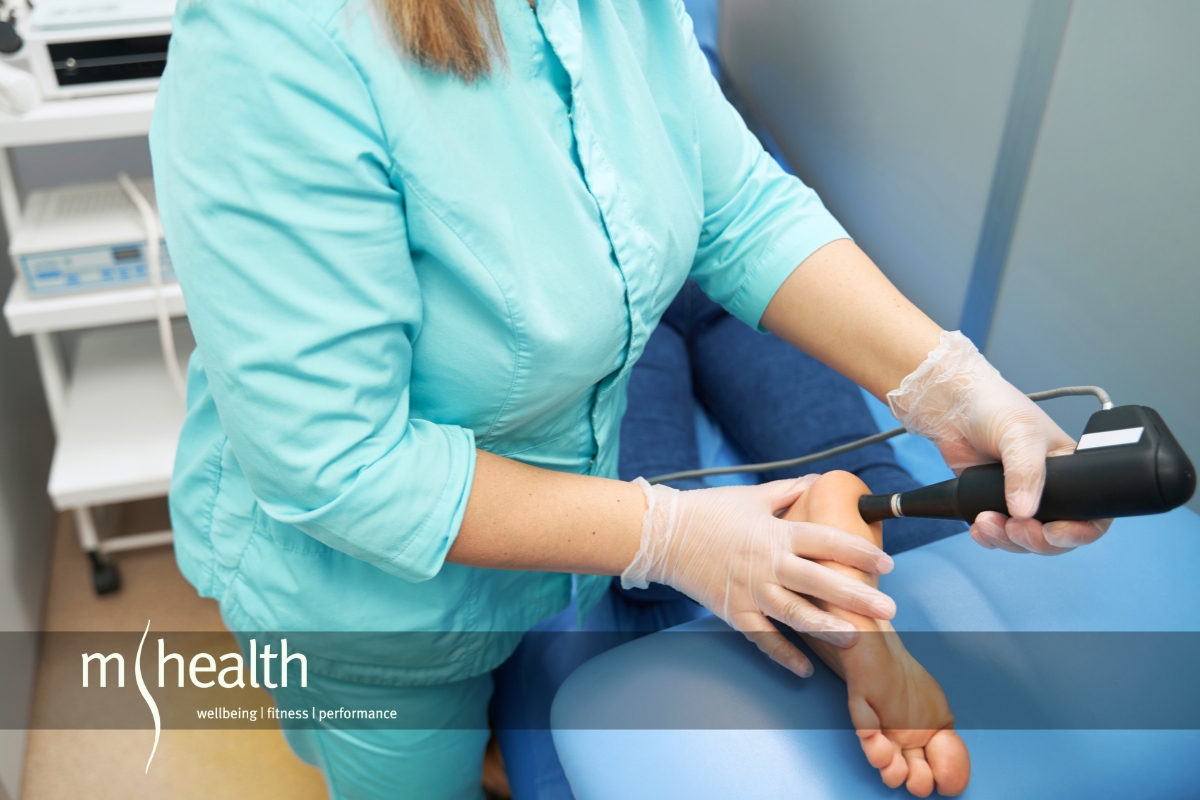
Have you ever experienced the frustration of persistent pain that won’t go away? What if a revolutionary treatment could help ease discomfort and restore mobility? Enter shockwave therapy.
In physiotherapy, innovation is key to improving patient outcomes and enhancing recovery times. Among the plethora of treatments available, shockwave therapy has garnered attention for its ability to address various musculoskeletal conditions. This non-invasive technique, once reserved for athletes, is now making waves in clinics for its promising results.
It’s crucial to understand shockwave therapy not only how it works but also its potential benefits and limitations, whether you’re dealing with chronic pain, tendon injuries, or other physical ailments.
What is shockwave therapy in physiotherapy?
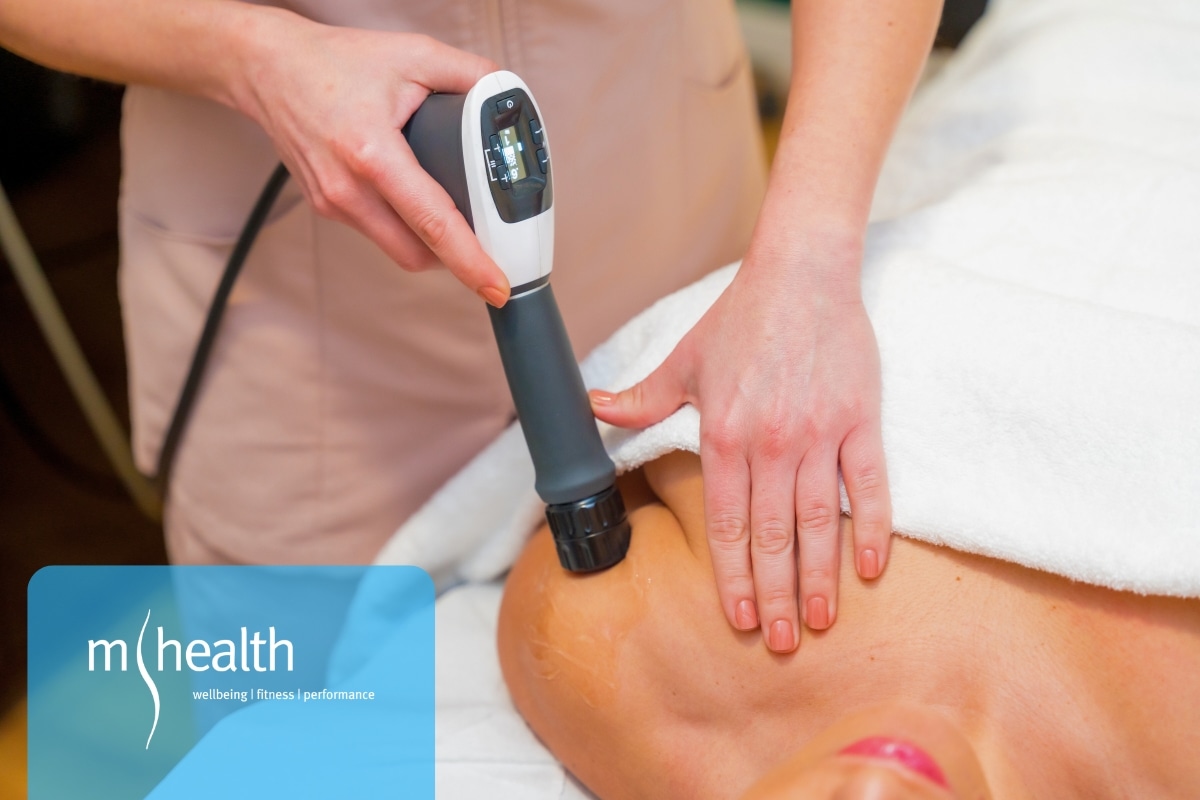
Shockwave therapy is a non-invasive treatment modality used in physiotherapy to manage certain musculoskeletal conditions. It involves the delivery of high-energy acoustic waves to the affected area. These waves create a controlled, localised injury that can stimulate healing and reduce pain.
In addition to instant pain relief, it is useful in tendon repair. It accomplishes this by stimulating the formation of new blood vessels in the tissues, enhancing growth factors, increasing cell proliferation, reducing inflammation, and mobilising stem cells.
How does shockwave therapy work in physiotherapy?
1. Shockwave generation
A device generates acoustic waves similar to the sound waves produced by thunder.
2. Wave propagation
These waves are focused and directed towards the affected area of the body.
3. Tissue response
The shockwaves cause a series of physiological responses, including:
- Increased blood flow: The waves stimulate blood vessels to dilate, improving blood flow to the injured area.
- Enhanced tissue repair: The shockwaves disrupt the damaged tissue, promoting the formation of new blood vessels and stimulating the release of growth factors. The increased blood flow and associated nutrients can accelerate tissue repair and tissue regeneration.
- Reduction of pain: Shockwaves can help reduce pain by disrupting pain signals, reducing inflammation and promoting healing.
- Breaking down scar tissue: The mechanical energy of the shockwaves can help to break down scar tissue and improve tissue flexibility.
- Improved function: Over time, the healing process can improve range of motion and overall function.
Key characteristics of shockwaves
- High peak pressure: The waves have a very high peak pressure, making them effective for treating certain conditions.
- Short duration: The duration of each shockwave pulse is very brief.
- Rapid rise time: The pressure of the wave rises very quickly.

Common conditions treated with shockwave therapy
- Tendinopathies: Conditions like Achilles tendinopathy, tennis elbow, patellar tendinopathy (jumper’s knee), and plantar fasciitis.
- Calcific tendinitis: A condition where calcium deposits form in a tendon.
- Bursitis: A painful condition that affects the small, fluid-filled sacs called bursae that cushion the bones, tendons, and muscles near your joints. Bursitis occurs when bursae become inflamed.
- Muscle injuries: Strains and tears.
- Stress fractures: Small cracks in bones.
Benefits of shockwave therapy
- Non-invasive: No surgery or injections are required.
- Minimal discomfort: While some patients may experience mild discomfort during the treatment, it is generally well-tolerated.
- Quick recovery: Many patients experience significant improvement within a few sessions.
- Effective for chronic conditions: Shockwave therapy can be beneficial for conditions that have not responded to other treatments.
Is shockwave therapy painful?
Shockwave therapy is a non-invasive, non-surgical treatment, but you may experience some pain or discomfort in the treated area during the procedure.
The level of discomfort varies from person to person and depends on factors like the specific condition being treated and the intensity of the shockwaves.
Many people describe the sensation as a series of sharp, brief pulses. Some compare it to a deep tissue massage or a rubber band snapping against the skin. While it can be uncomfortable, most patients find the pain manageable.
If you’re considering shockwave therapy, discuss the potential discomfort with your physiotherapist. We can provide more specific information and address any concerns you may have.
Shockwave therapy and physiotherapy treatment
The number of treatments you need depends on your diagnosis and the duration of your symptoms.
Shockwave treatment has a cumulative effect on the affected tissues. Patients should have at least three treatment sessions spread out over three weeks. It is not uncommon to require more than three sessions, however, this is determined based on how you respond to treatment.
Shockwave treatment lasts about 5-10 minutes. During each session, injured tissue will get roughly 2500–3000 shocks. During your shockwave session, your physiotherapist will regulate the machine’s intensity to ensure the affected tissue receives the appropriate energy or dose.
As part of your shockwave treatment, your physiotherapist will provide the appropriate rehabilitation exercises for your condition to guarantee a full recovery.
The combination of shockwave therapy and rehabilitation exercise is critical in the treatment of most upper and lower limb tendon problems.
Final thoughts
Shockwave therapy is revolutionising the way we approach physical rehabilitation. Not only does it offer a non-invasive solution for pain relief and injury recovery, but it also empowers patients to regain their mobility and quality of life.
If you’re seeking an innovative way to bounce back from an injury or musculoskeletal disorder or manage chronic pain, don’t overlook the power of shockwave therapy. Take that leap—your body will thank you!
Book an appointment with one of our experienced physiotherapists today for a comprehensive assessment and customised treatment plan.