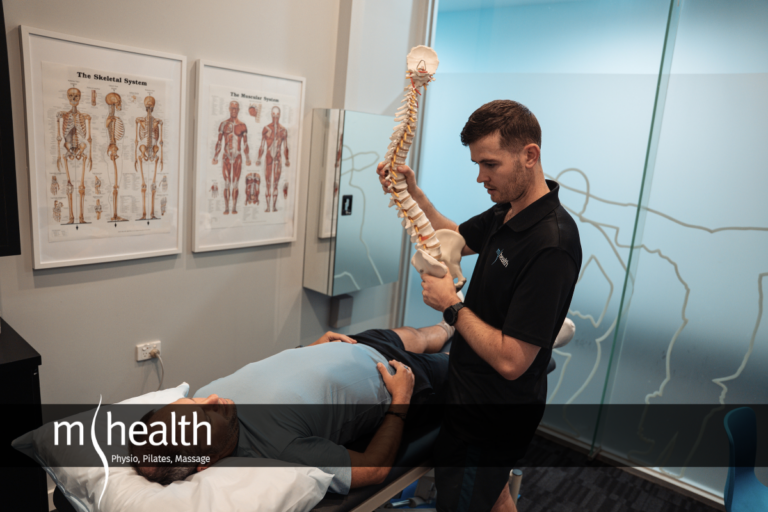
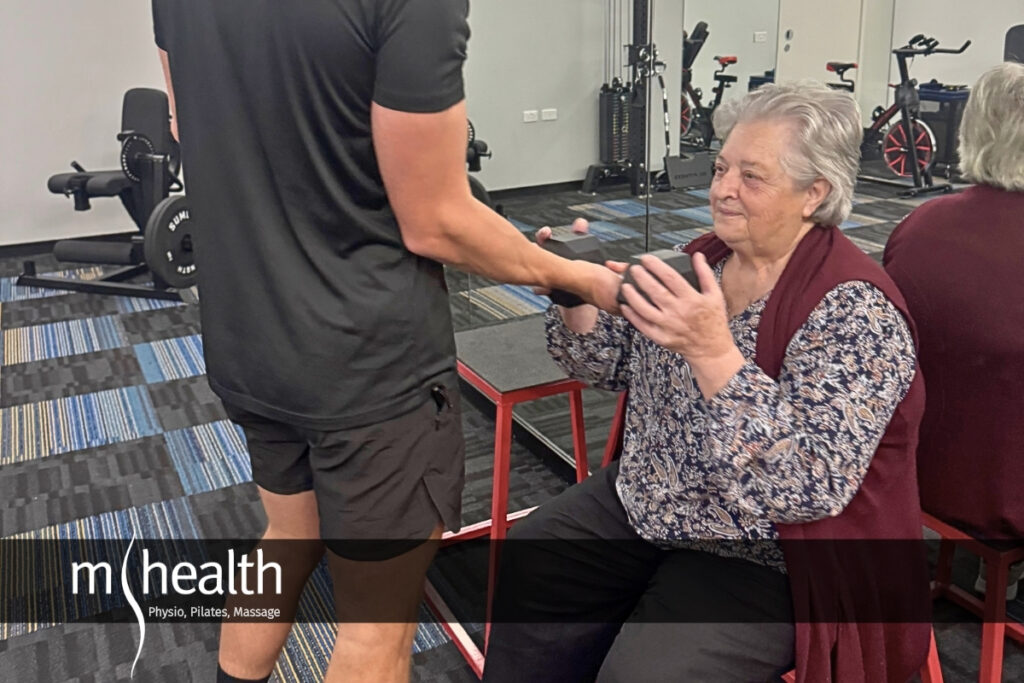
A scan comes back clear. The doctor says nothing is structurally wrong. Yet the ache in your lower back, your neck, or your knee hasn’t shifted in months, sometimes years. For many people living with chronic pain, that gap between what the body looks like on a scan and what it actually feels like is the most confusing part of the whole experience.
Chronic pain management looks different today than it did two decades ago, mostly because pain science has moved on too. Researchers now describe pain as something the nervous system produces, not a direct readout of tissue damage. The brain and body stay in constant conversation, and that conversation shapes how pain is felt, how long it sticks around, and how well it responds to treatment.
Pain Doesn’t Always Mean Damage
Acute pain after a sprained ankle or a fresh injury makes sense: tissue is hurt, and pain tells you to protect it while it heals. Chronic pain, usually defined as pain lasting longer than three months, often behaves differently. The original injury may have healed completely, but the pain system can stay switched on.
This idea sits at the centre of the biopsychosocial model of pain, popularised in resources like Explain Pain by David Butler and Lorimer Moseley. Their work helped shift physiotherapy away from treating pain purely as a mechanical problem and toward understanding it as something shaped by biology, psychology, and social context together. A stressful week at work, poor sleep, or fear of movement can all turn up the volume on pain, even when tissue damage isn’t getting worse.
For someone with persistent low back pain, this can be reassuring rather than dismissive. It doesn’t mean the pain isn’t real. It means the nervous system has become more sensitive than the situation calls for, and sensitivity can be retrained.
How the Nervous System Learns Pain
Think of the nervous system as a smoke alarm. After a real fire, it’s reasonable for the alarm to stay a little more sensitive for a while. But sometimes the alarm keeps going off at burnt toast, or even at steam from a shower, long after any real danger has passed. Clinicians call this central sensitisation: the spinal cord and brain amplify pain signals beyond what the tissue state would predict.
Stress, poor sleep, and low mood don’t cause chronic pain on their own, but they do influence how loudly that alarm rings. This is why two people with an identical scan result can have completely different pain experiences. It also explains why purely structural treatments, like rest or repeated imaging, often fail to resolve pain that has become persistent.
Conditions Where This Shows Up Often
In physiotherapy practice, this brain-body interplay shows up constantly. Chronic low back pain is one of the most common presentations, frequently with little correlation between scan findings and pain intensity. Neck pain and tendinopathy in the shoulder, elbow, or Achilles tend to follow a similar pattern, where pain persists well past expected tissue healing times. Osteoarthritis adds another layer, since joint changes on an X-ray often don’t match how much pain or stiffness a person reports.
None of this means these conditions are imagined or untreatable. It means chronic pain physiotherapy needs to address the nervous system’s sensitivity alongside the joint, muscle, or tendon itself, rather than chasing pain relief through structure alone.
What Evidence-Based Chronic Pain Management Actually Involves
Modern chronic pain management blends a handful of approaches, often within the same treatment plan.
Pain neuroscience education explains, in plain language, why pain can persist after healing and why hurt doesn’t always equal harm. Patients who understand this tend to feel less threatened by their pain, which on its own can reduce how intense it feels.
Cognitive behavioural strategies help identify thought patterns, like catastrophising or fear-avoidance, that quietly keep the pain system on high alert. Mindfulness and relaxation techniques work on a similar lever, calming the nervous system’s background activity rather than targeting a specific joint or muscle.
Graded exposure, meanwhile, involves gradually reintroducing movements or activities a person has been avoiding, building confidence and tolerance one step at a time instead of waiting for pain to disappear first. Physiotherapists often weave several of these strategies together rather than relying on one in isolation.
Lifestyle Habits That Support the Nervous System
Day-to-day habits matter more than most people expect when pain has been around for a while.
Regular physical activity, even in small amounts, helps regulate the nervous system and tends to reduce pain sensitivity over time. Sleep plays a similar role: poor sleep lowers pain tolerance, and pain often disrupts sleep in return, so improving one can ease the other. Ongoing stress keeps the body’s alarm system primed, which is part of why stress management features in most chronic pain programs. Eating habits that support general health, rather than any particular diet, round out the picture.
None of these replace clinical treatment. They sit alongside it, giving the nervous system a better environment to settle in.
When Self-Management Isn’t Enough
Education, movement, and lifestyle changes help a large number of people manage chronic pain more comfortably, but they aren’t a substitute for individual assessment. Pain that is worsening, accompanied by new neurological symptoms, or affecting sleep and mood significantly is worth discussing with a health professional rather than managing alone.
Physiotherapy often works best as part of a broader, multidisciplinary approach, sometimes alongside a GP, psychologist, or pain specialist depending on what someone needs. There’s no single fix that works the same way for everyone, and treatment plans should reflect that.
Chronic pain and the nervous system: Your Questions Answered
| Question | Answer |
|---|---|
| What does the brain have to do with chronic pain? | The brain and spinal cord process pain signals and can amplify them over time, a process called central sensitisation. This means chronic pain can persist even after an injury has healed, because the nervous system itself has become more reactive to normal signals from the body. |
| Does chronic pain mean something is still wrong with my body? | Not necessarily. Pain can continue long after tissue has healed because the nervous system stays sensitised. A thorough assessment can clarify what’s contributing to ongoing pain, but persistent pain on its own doesn’t always indicate ongoing damage. |
| What is pain neuroscience education? | Pain neuroscience education is an approach that explains, in everyday language, how the nervous system produces pain. Understanding why pain can persist without ongoing damage often reduces fear around movement and supports better outcomes from chronic pain management. |
| Can physiotherapy help with chronic pain management? | Yes. Physiotherapists use a combination of exercise, education, manual therapy, and pacing strategies to manage chronic pain. Treatment is typically tailored to the individual and may involve coordination with other health professionals for more complex cases. |
| What lifestyle changes support chronic pain management? | Regular physical activity, consistent sleep, stress management, and balanced eating habits all support the nervous system and can complement clinical treatment. These changes work alongside, not instead of, professional assessment and care. |
| What causes chronic pain to continue after an injury heals? | Chronic pain often continues because the nervous system becomes more sensitive than the tissue state requires, a process known as central sensitisation. Factors like stress, poor sleep, and fear of movement can keep this sensitivity switched on even once healing is otherwise complete. |

The Takeaway
Chronic pain management has moved well past the old idea that pain simply mirrors tissue damage. The brain and body work together to produce what a person feels, and that connection opens up real options for change, through education, movement, and support that targets the nervous system as well as the joint or muscle involved. Understanding this doesn’t make pain disappear overnight, but it does change what’s possible from here.
If persistent pain has been holding you back from the things you want to do, our physiotherapists can talk through what’s going on and build a plan suited to your situation. Book an appointment with the mhealth team to get started.