

Shoulder Pain Support at mhealth
Shoulder Pain
Shoulder pain can stop you from lifting, reaching, sleeping, and getting through a normal working day. At mhealth, we help people understand what’s driving their symptoms and put a clear plan in place to reduce pain, restore movement, and get back to doing what matters.
Whether your shoulder has been sore for a few weeks or much longer, our team takes a structured approach to assessment, treatment, and rehabilitation.
What Is Shoulder Pain?
Shoulder pain is one of the most common musculoskeletal complaints, affecting around one in five Australian adults. It can range from a dull background ache to sharp pain with movement, and it often affects sleep, work, and daily tasks long before people seek help.
The shoulder is a highly mobile joint that relies on a network of muscles, tendons, and supporting structures working together. When any part of that system becomes overloaded, irritated, or injured, pain and restriction can follow.
Common Symptoms of Shoulder Pain
People with shoulder pain commonly notice:
- Pain with overhead movements such as reaching, lifting, or throwing
- Discomfort when lying on the affected side
- Reduced range of motion or stiffness
- A painful arc when lifting the arm out to the side
- Weakness or reduced strength around the shoulder
- Difficulty reaching behind the back, such as doing up a bra or tucking in a shirt
- Clicking or catching sensations
- Night pain that disrupts sleep
- Referred pain into the upper arm
Common Causes of Shoulder Pain
Shoulder pain rarely has a single cause. A range of factors can load the shoulder beyond what it can tolerate and recover from.
Common contributing factors include:
- Repetitive overhead activity at work, in the gym, or during sport
- A sudden increase in training load or session volume
- Reduced strength or endurance in the rotator cuff and upper back muscles
- Limited thoracic (mid-back) mobility, which places greater demand on the shoulder
- Prolonged desk work or sustained postural habits
- Previous shoulder injury or incomplete rehabilitation
A central concept in shoulder rehabilitation is load management — how much the shoulder is asked to do relative to what it can currently handle. Research consistently supports a graduated approach to loading as the most effective way to reduce pain and restore function over time.
This is one of the most important things to understand about neck-related pain: the pain in your head often starts in your neck.
Tight neck muscles create tension and referred pain that travels into the scalp and temples. The upper cervical spine shares nerve connections with the trigeminal nerve, the same nerve involved in migraine attacks. Irritation in the neck can directly contribute to both headaches and migraines.
Neck stiffness is also one of the most common early signs of an oncoming migraine for many people. Research suggests that cervical spine dysfunction can act as a trigger for migraine attacks, not just a symptom of them.
This is why effective management of headaches and migraines so often means looking at the neck. And it’s why, at mhealth, we assess all three conditions together rather than treating the head in isolation.
Types of Shoulder Pain
Several distinct conditions can cause shoulder pain. Identifying the right one matters because treatment approaches vary.There is usually more than one contributing factor. Here are the most common causes we see at mhealth.

Rotator Cuff-Related Shoulder Pain
The most common presentation. This includes tendinopathy, overload of the rotator cuff tendons, and subacromial irritation. It often causes pain with overhead or reaching movements and can worsen with activity or at night. Research shows rotator cuff conditions account for more than half of all shoulder problems seen in primary care.

Frozen Shoulder (Adhesive Capsulitis)
Characterised by a progressive loss of shoulder movement and increasing stiffness. It tends to develop in stages and can take months to resolve without the right management. Evidence supports physiotherapy as a core component of treatment, particularly in combination with other approaches.

Shoulder Instability and Dislocation
The shoulder can feel loose or as though it might give way. This is more common in younger people and those involved in overhead or contact sport. Rehabilitation focuses on rebuilding strength and neuromuscular control around the joint.

Labral Irritation or Injury
The labrum is a rim of cartilage that helps stabilise the joint. Irritation or tears can cause a deep, catching sensation and are more common in active and sporting populations.

AC Joint Injuries
The acromioclavicular (AC) joint, where the collarbone meets the shoulder blade, is frequently injured in falls or contact sport. It can also become arthritic over time, causing localised pain and stiffness.

Shoulder Osteoarthritis
Gradual wearing of the joint surfaces leads to pain, stiffness, and reduced movement. More common with age, though the extent of wear on a scan does not always reflect the level of pain or function.

Frequently Asked Questions About Shoulder Pain
Is rest the best treatment for shoulder pain?
How long does shoulder pain take to improve?
Do I need a scan or imaging before starting treatment?
Can shoulder pain come back after treatment?
Do I need a GP referral to see a physiotherapist at mhealth?
What is the difference between rotator cuff pain and frozen shoulder?
References
The following sources are linked within the copy above:
- Testing the association between shoulder pain prevalence and occupational, physical activity, and mental health factors in two generations of Australian adults — PMC
- General practice management of rotator cuff related shoulder pain: A reliance on ultrasound and injection guided care — PMC
- Physical therapy in the management of frozen shoulder — PMC
- The Efficacy of Exercise Therapy for Rotator Cuff-Related Shoulder Pain According to the FITT Principle — JOSPT
- Shoulder specific exercise therapy is effective in reducing chronic shoulder pain — PMC
- 2022 Bern Consensus Statement on Shoulder Injury Prevention, Rehabilitation, and Return to Sport — JOSPT
- Evidence Based Interventions for Shoulder Pain — Physiopedia
Shoulder Pain Articles

Physiotherapy For The Top Ten Golf Related Injuries
Golf is a popular sport enjoyed by millions of people worldwide. However, like any physical activity, it can also lead to injuries. Whether you’re a

Clinical Pilates For Swimmers
Swimming is a fantastic full-body workout that can help you improve your cardiovascular health, build muscle strength, and sculpt your entire body. However, swimming can

Improve Your Golf Game With Pilates
Is Pilates Good for Golfers? Golf beginners and professionals alike have discovered the benefits of clinical pilates for golfers. Physiotherapists use clinical pilates to help
How mhealth Treats Shoulder Pain
Exercise-based rehabilitation is the foundation of how we manage shoulder pain. Evidence consistently supports structured strengthening as the most effective long-term approach for most shoulder conditions. Most shoulder pain improves with the right combination of movement and strengthening — complete rest is rarely the answer.
Rotator Cuff Strengthening
Scapular Control and Strengthening
Thoracic Spine Mobility
Education and Load Management
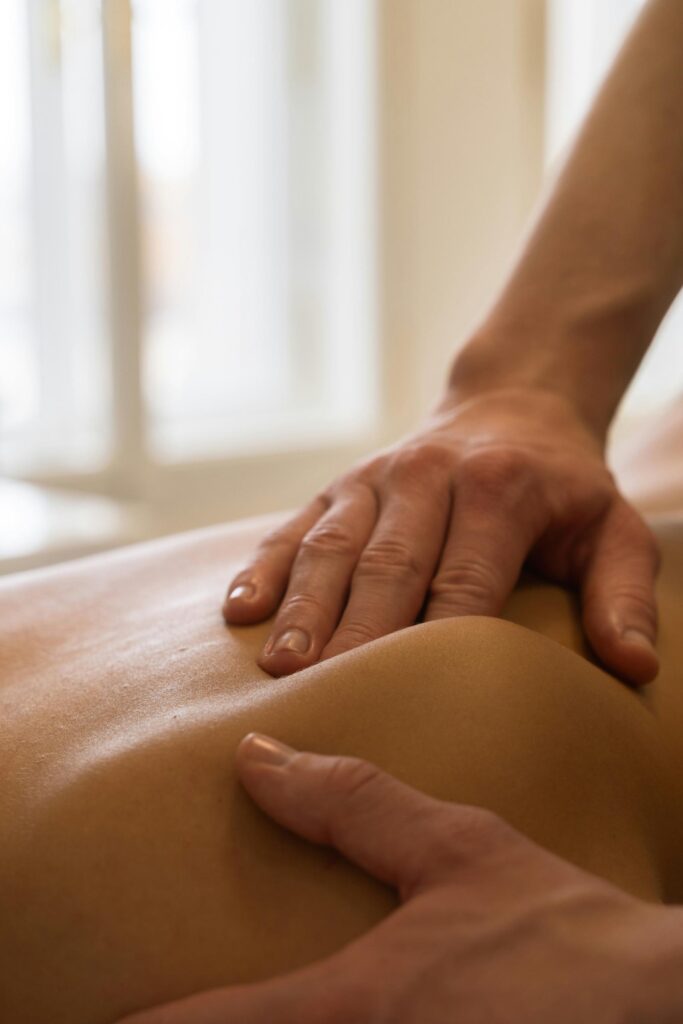
Hands-On Therapy
Other Approaches
Depending on your presentation, treatment may also include:
- Taping for support and symptom relief
- Clinical Pilates for shoulder stability and postural control
- Guided return-to-work and return-to-sport programs
- Post-operative rehabilitation following shoulder surgery
Early management leads to better outcomes. The sooner the shoulder is assessed and a plan is in place, the more options are available and the faster recovery tends to be.
Keeping Your Shoulder Healthy

For Desk Workers
A few workstation adjustments can reduce the load on the shoulder and neck during long periods of sitting:
- Set your screen at or just below eye height, directly in front
- Keep your keyboard and mouse close to avoid reaching forward
- Feet flat on the floor, hips slightly higher than knees, back supported without being rigid
- If using a laptop, an external keyboard and mouse allows you to raise the screen height
- Take a movement break every 30 to 60 minutes — stand, stretch, and move briefly

For Active Individuals
Training balance matters as much as training volume:
- Include both pushing and pulling movements in your program — for example, bench press balanced with rows
- Maintain rotator cuff and scapular work alongside main strength lifts
- Track frequency, sets, and volume to avoid sudden spikes in load
- Gradually increase volume week to week rather than in large jumps
- Plan adequate recovery between heavy upper body sessions
- Alternate overhead and non-overhead movements across the training week

Sleep Positioning
Night pain is one of the more disruptive aspects of shoulder conditions. Small positioning adjustments can make a meaningful difference to comfort and recovery:
- Avoid lying directly on the painful shoulder
- Place a pillow in front of the body to support the affected arm
- Keep the arm slightly forward rather than hanging or pulled back behind the body
- Ensure the neck is supported in a neutral position — a pillow that is too high or too flat can add to discomfort

When to See a Physio for Shoulder Pain
Book an appointment if you’re experiencing:
- Pain that has lasted more than one to two weeks without improving
- Recurrent flare-ups, particularly with lifting or overhead movement
- Pain that limits your ability to work, sleep, exercise, or perform daily tasks
- Weakness, reduced range of motion, or difficulty using the arm normally
You don’t need a GP referral to see a physiotherapist in Australia.
When It May Be Serious
Seek immediate medical attention if you experience:
- Sudden inability to lift your arm following an injury
- Significant weakness or loss of function in the shoulder or arm
- Visible deformity after trauma (such as a fall or accident)
- Persistent night pain that does not change with position
- Unexplained weight loss or a personal history of cancer
These presentations are less common but should be assessed promptly.
Get Support for Shoulder Pain
Physiotherapists Mentone
If shoulder pain is limiting how you move, lift, or sleep, early support can help prevent it from becoming a longer-term issue.
mhealth is located in Mentone and services the surrounding suburbs including Beaumaris, Parkdale, Black Rock, Sandringham, Cheltenham, Mordialloc, and Chelsea. Book an appointment with mhealth or contact our team to find out how we can help.
Not Sure If This Is the Right Page?
You don’t need a confirmed diagnosis to book an appointment. If you’re experiencing shoulder pain, stiffness, or difficulty moving your arm and aren’t sure what’s causing it, our team can assess your symptoms and guide you towards the right next step.